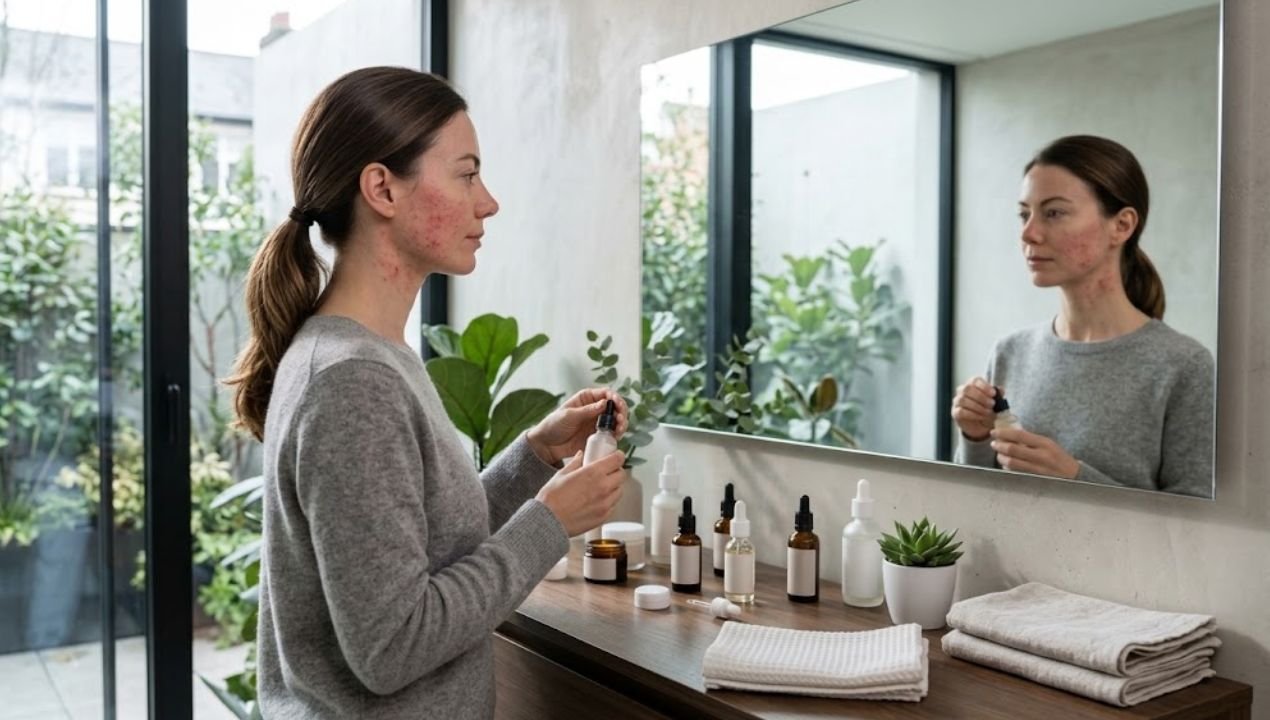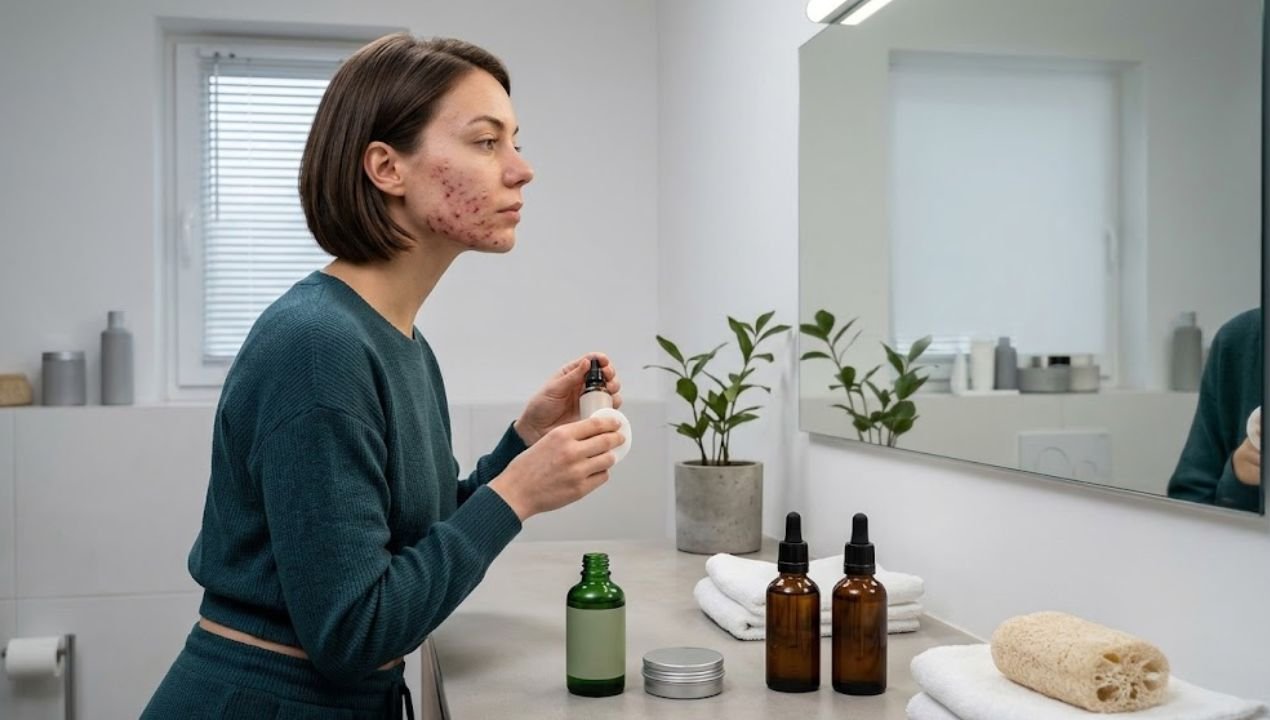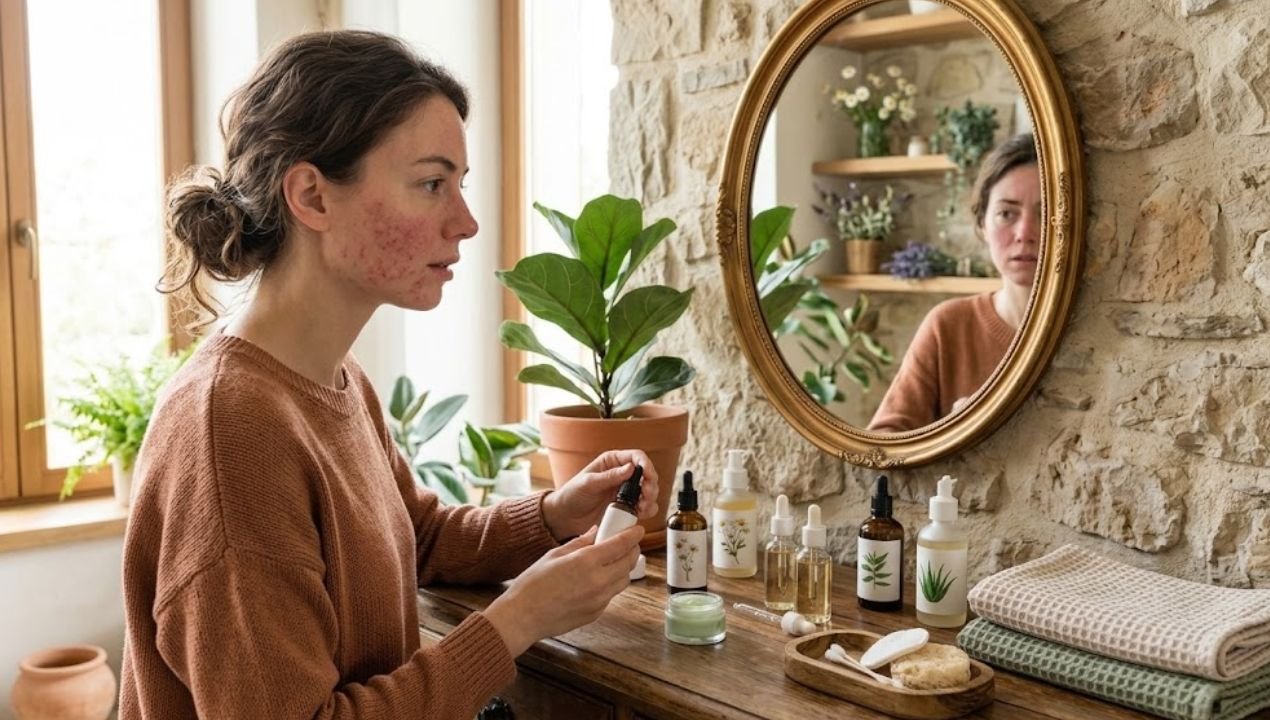
Skin Barrier damage can cause stinging, tightness, redness, and breakouts. Discover the signs and simple ways to support healthy skin with Glow & Go today.
The skin barrier helps keep water inside the skin while protecting it from irritants, allergens, and environmental stressors. When it is weakened, even products you normally tolerate can feel uncomfortable. The good news is that a damaged skin barrier can often recover with a simpler, gentler routine.
What Is the Skin Barrier?
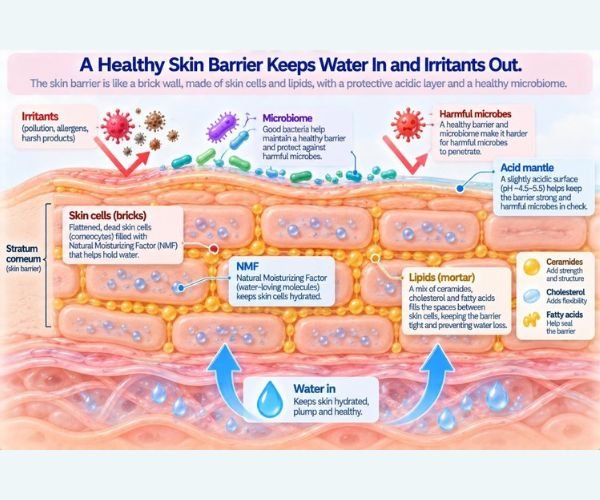
The skin barrier is mainly the outermost part of the skin, known as the stratum corneum. It contains skin cells surrounded by lipids such as ceramides, cholesterol, and fatty acids.
This structure works like a protective wall. It helps reduce water loss, keeps irritants and unwanted microorganisms out, and supports a healthy skin environment. The skin also has a slightly acidic surface called the acid mantle, along with a natural microbiome that contributes to its protective function.
When the barrier works properly, skin is better able to maintain hydration and tolerate everyday environmental exposure.
Read also about:-
Signs of a Damaged Skin Barrier
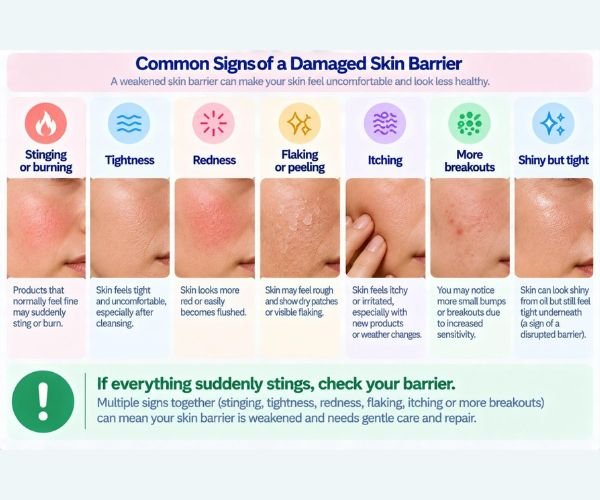
A damaged skin barrier does not always look the same for everyone. Common signs include:
- Stinging or burning when applying skincare
- Tightness after cleansing
- Redness or increased sensitivity
- Flaking or rough texture
- Dry, dehydrated-feeling skin
- Sudden breakouts
- Products that previously felt comfortable becoming irritating
One common question is: why does everything sting on my face? If several normally gentle products suddenly burn or sting, barrier damage may be one possible reason.
Start With a Barrier-First Routine
If you are unsure which products suit your skin, start by identifying your skin type and current concern. Glow & Go uses a skin assessment to help connect your skin needs with a suitable routine instead of adding products randomly.
Take the Skin Quiz and identify your concern before choosing your routine:

What Damages the Skin Barrier?
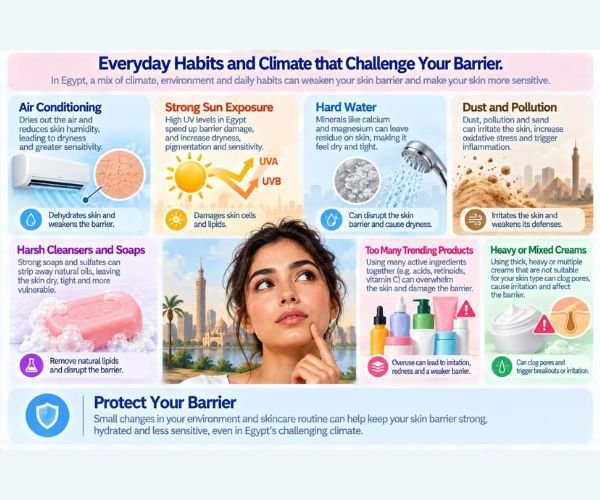
Several habits and environmental factors can weaken the skin barrier. Common causes include:
- Over-exfoliating with acids, scrubs, or peel pads
- Using too many active ingredients at once
- Harsh or strongly foaming cleansers
- Washing with very hot water
- Sun damage or sunburn
- Dry air and frequent air conditioning
- Excessive use of strong acne treatments
- Fragrance or irritating products
- Picking or rubbing flaky skin
For people in Egypt, hot weather, strong sun, dust, Khamaseen winds, air conditioning, and sudden temperature changes can add extra stress. Hard water and aggressive cleansing habits may also contribute.
Using unprescribed steroid or mixed creams can create additional problems, so these should not be used for barrier repair without medical guidance.
Can Oily Skin Have a Damaged Barrier?
Yes. Oily skin can have a damaged skin barrier.
Sebum production and the lipids that form the barrier are not the same thing. Someone with oily skin may over-wash their face or use strong acne products to control shine, leaving the skin oily on the surface but dehydrated and irritated underneath.
This is sometimes described as oily, dehydrated skin. The answer is usually not stronger cleansing. A balanced routine can help protect the skin barrier while still addressing excess oil.
How to Repair the Skin Barrier
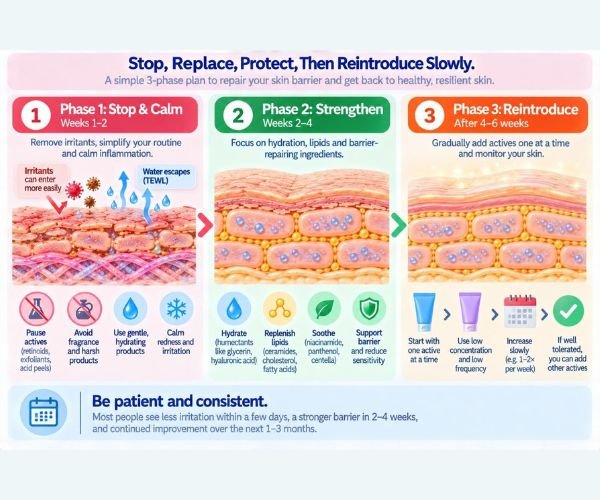
The best approach to skin barrier repair is usually to reduce irritation and give the skin time to recover.
1. Pause Strong Actives
During the first stage of repair, temporarily stop products that can increase irritation, including:
- Retinoids
- AHAs and BHAs
- Strong vitamin C products
- Benzoyl peroxide
- Scrubs and exfoliating brushes
- Peel pads
If you use a prescription treatment, check with your doctor before stopping or changing it.
2. Use a Gentle Cleanser
Choose a fragrance-free, gentle cleanser and wash with lukewarm water. A non-foaming cleanser may be easier to tolerate when the skin is highly reactive.
Avoid the feeling that your face needs to feel “squeaky clean.” That sensation can indicate that cleansing is too aggressive for your current skin condition.
3. Moisturize Twice Daily
A good skin barrier repair routine should focus on hydration and barrier-supporting ingredients.
Look for moisturizers containing ingredients such as:
- Ceramides
- Cholesterol
- Glycerin
- Panthenol
- Fatty acids
Ceramides are especially useful when combined with cholesterol and fatty acids because these lipids help support the structure of the skin barrier.
Glycerin attracts water to the skin, while panthenol can help hydrate and soothe irritated skin.
4. Reduce Water Loss
Very dry or cracked areas may benefit from an occlusive product such as petrolatum. Occlusives help reduce transepidermal water loss, also known as TEWL.
A thin layer can be applied over moisturizer at night, particularly on areas that feel especially dry.
5. Protect Your Skin From the Sun
Daily broad-spectrum sunscreen is an important part of barrier protection. If your skin is highly reactive, a mineral sunscreen may sometimes be easier to tolerate.
Avoiding unnecessary sun exposure also helps reduce additional stress while the skin is recovering.
Ingredients That Support Skin Barrier Repair
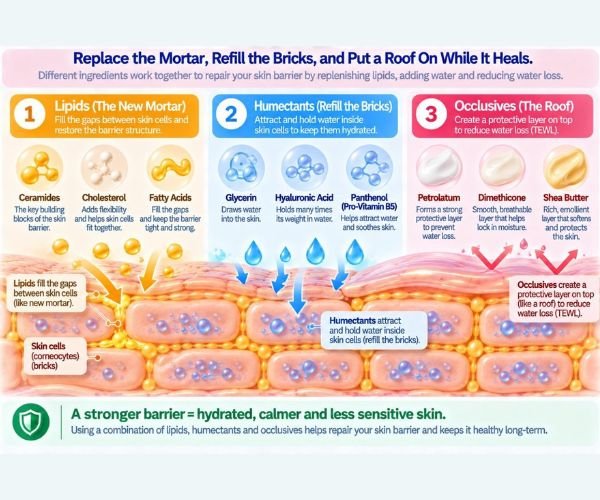
Different ingredients can support different parts of the recovery process.
Ceramides, cholesterol, and fatty acids help reinforce the lipid structure of the barrier. Glycerin supports hydration and is generally suitable for different skin types.
Panthenol can provide hydration and soothing support, while hyaluronic acid helps increase surface hydration when applied to damp skin and followed with moisturizer.
Niacinamide may support barrier function and ceramide production, but it is better introduced after acute irritation has settled. Very high concentrations may sting reactive skin.
Colloidal oatmeal and centella can also be useful for soothing irritated skin. If you have a known oatmeal allergy, avoid colloidal oatmeal products.
Build a Routine That Protects Your Barrier
Your skin barrier is the foundation of a comfortable skincare routine. When it is damaged, acne treatments may sting, oily skin can become dehydrated, and dry skin may feel increasingly raw.
Glow & Go can help you start with your skin type and concern before selecting a routine. Take the Skin Quiz to identify the concern you want to address and explore suitable product options:
A Simple Skin Barrier Repair Routine
Morning
- Rinse with water or use a gentle cleanser.
- Apply a hydrating product with panthenol or hyaluronic acid if comfortable.
- Apply a barrier-supporting moisturizer.
- Finish with broad-spectrum SPF 30 or higher.
Evening
- Cleanse gently with lukewarm water.
- Apply a moisturizer containing barrier-supporting ingredients.
- Use a thin layer of petrolatum or a barrier balm on very dry areas if needed.
The goal is not to use more products. It is to create the right conditions for the skin barrier to recover.
What Should You Avoid During Barrier Repair?
Avoid exfoliation, scrubs, peel pads, retinoids, and strong vitamin C until your skin becomes comfortable again. Do not introduce several new products at the same time.
It is also better to avoid fragrance, essential oils, alcohol-heavy toners, harsh soaps, hot water, and aggressive towel drying.
Do not pick flakes or try to exfoliate them away. If you are using a steroid or mixed cream, seek professional guidance rather than using it as a DIY barrier treatment.
How Long Does It Take to Repair a Damaged Skin Barrier?
There is no single recovery time for everyone. A moisturizer may make tightness feel better within hours or days, while stinging, redness, and flaking may begin improving within one to two weeks.
A fuller recovery can take around two to six weeks depending on how much the barrier was damaged and whether the irritating trigger has been removed.
Once your skin has been comfortable for at least one to two weeks, you can gradually reintroduce active products. Add only one active at a time and begin with a lower frequency.
Patch testing a new product for several days can also help reduce the risk of another irritation cycle.
When Should You See a Dermatologist?
See a dermatologist if your skin develops painful cracks, bleeding, intense itching, spreading redness, oozing areas, blisters, yellow crusts, pus, warmth, swelling, or fever.
Professional advice is also important if symptoms appear after using a steroid cream or if your skin does not improve after four to six weeks of gentle care.
F&Q
What is the skin barrier?
The skin barrier is mainly the outermost layer of the skin, called the stratum corneum. It helps keep moisture inside while protecting the skin from irritants and environmental stressors.
How do I know if my skin barrier is damaged?
Stinging, burning, tightness, redness, flaking, roughness, and sudden sensitivity can all be signs of a damaged skin barrier.
What damages the skin barrier?
Over-exfoliation, harsh cleansers, hot water, excessive active ingredients, sun exposure, dry environments, and irritating products can weaken the barrier.
How long does barrier repair take?
Some discomfort may improve within days, while noticeable recovery can take one to two weeks. Fuller barrier repair may take two to six weeks.
Which ingredients repair the skin barrier?
Ceramides, cholesterol, fatty acids, glycerin, panthenol, and occlusives such as petrolatum can support barrier recovery.
Can oily skin have a damaged barrier?
Yes. Oily skin can still become dehydrated and irritated, especially after excessive cleansing or strong acne treatments.
Can I use retinol or acids with a damaged barrier?
It is generally better to pause irritating actives while the skin is actively stinging or burning. Reintroduce them gradually after the barrier has recovered.
When should I see a dermatologist?
Seek professional care for severe pain, bleeding, oozing, infection-like symptoms, spreading rashes, blisters, or symptoms that do not improve with gentle care.
Conclusion
A healthy skin barrier helps your skin retain moisture, tolerate skincare, and defend itself against everyday environmental stress. When it becomes damaged, simplifying your routine and focusing on gentle cleansing, moisturization, and sun protection can give it the conditions it needs to recover.
Understanding your skin barrier is also the first step toward choosing products that match your actual needs. With Glow & Go, you can start with your skin type and concern and build a routine around what your skin needs rather than adding products at random.