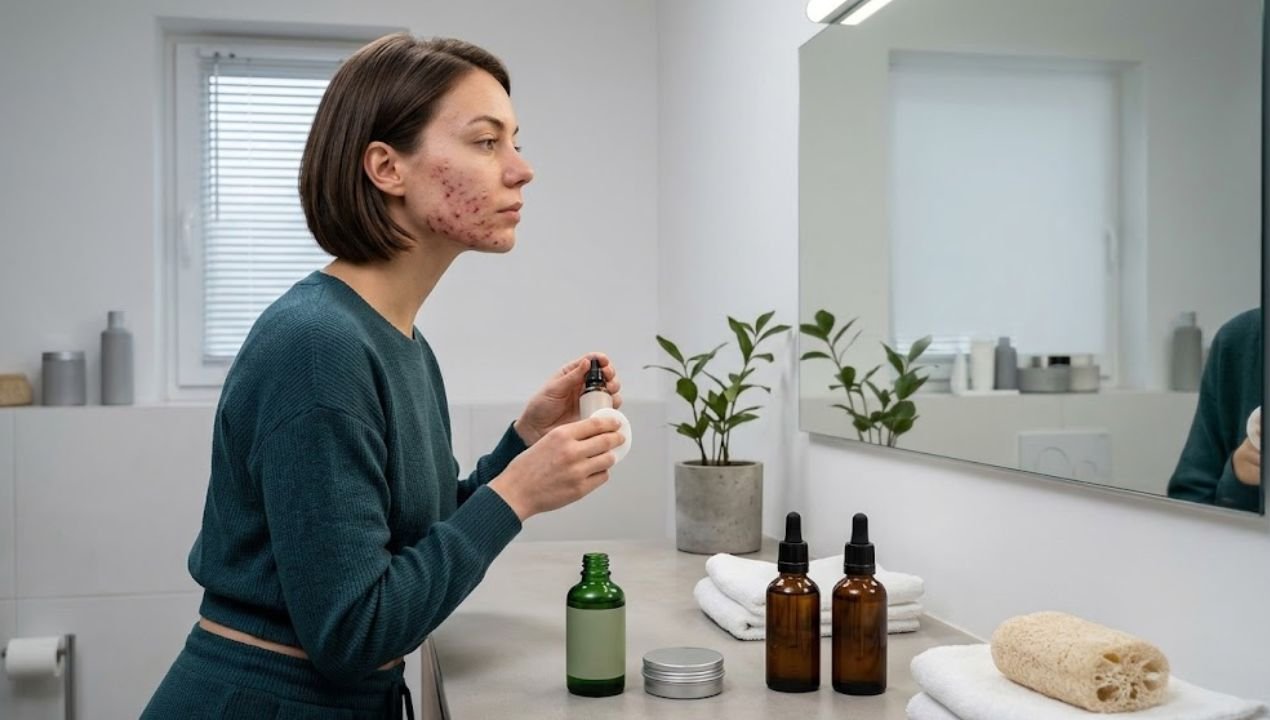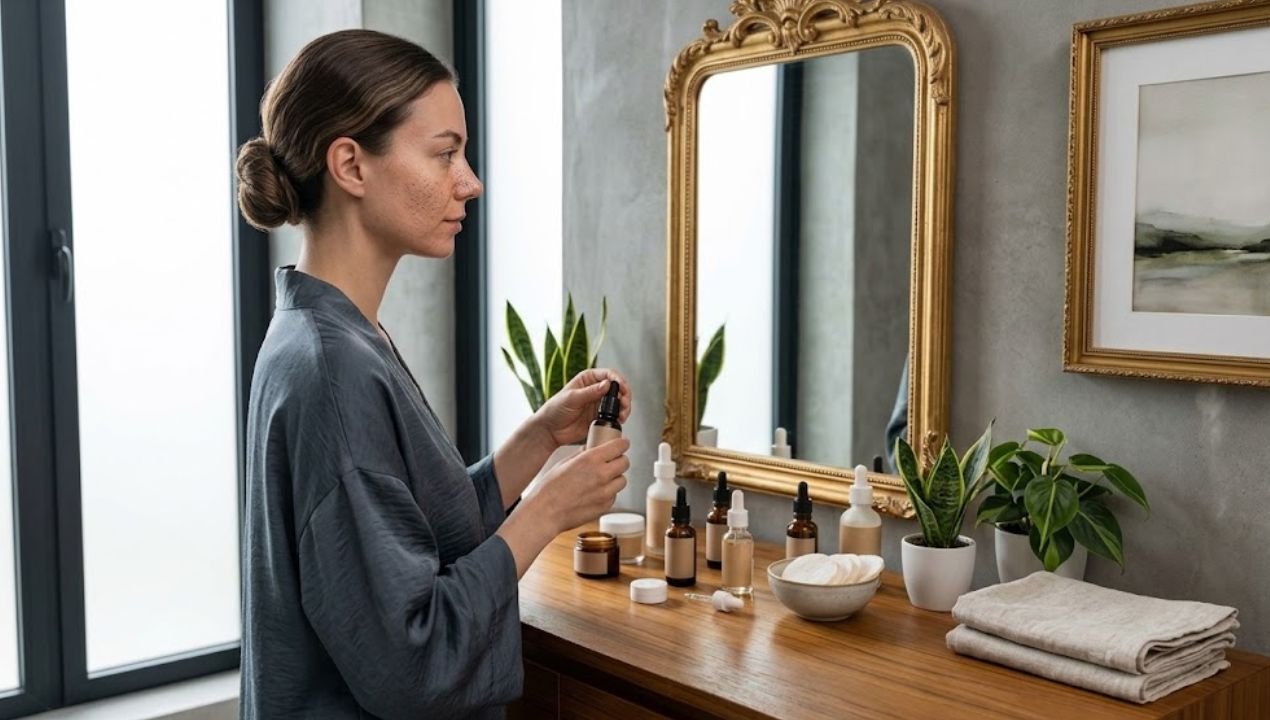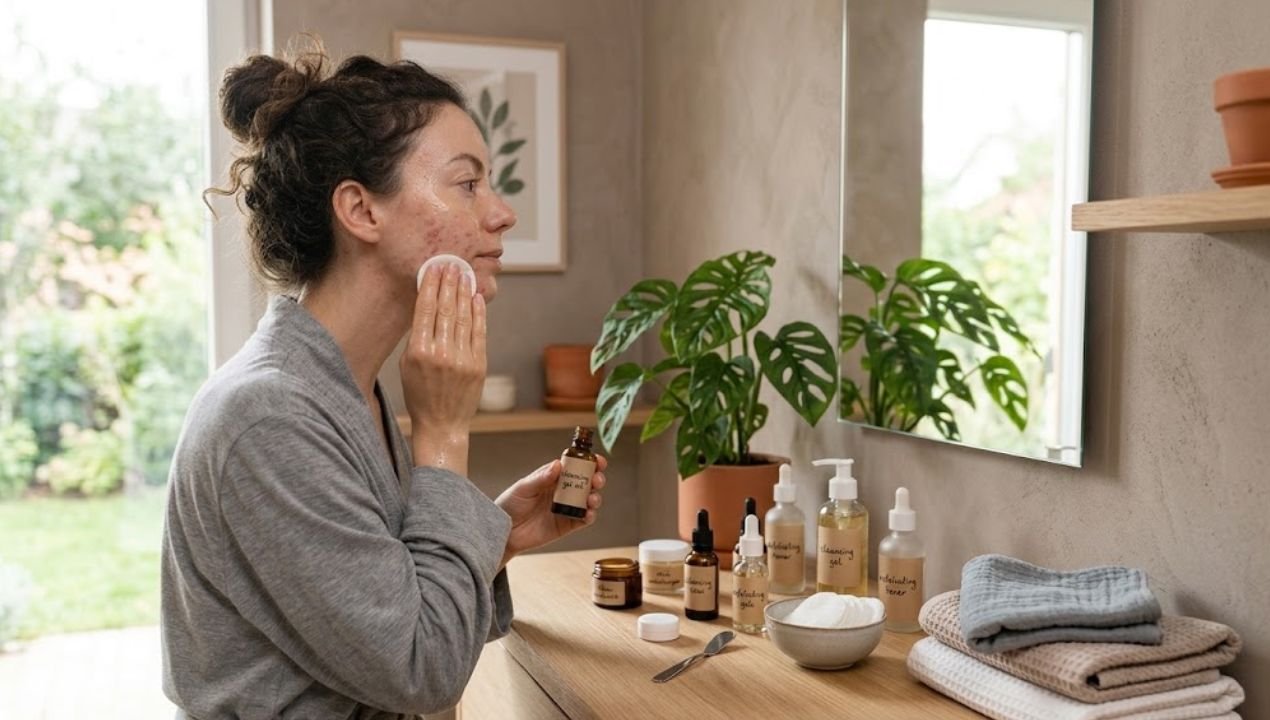
Self-care isn’t about doing more, buying more, or achieving flawless skin. It’s about building small, realistic habits that support your physical and emotional wellbeing.
Research on habit formation suggests that new habits can take around two months on average to become automatic, with considerable variation between people. That means consistency takes practice, not perfection.
In this guide, you’ll discover how to make skincare part of self-care, create a routine that fits your lifestyle and budget, care for your body from head to toe, and feel more confident about your natural skin.
Quick answer: Skincare becomes meaningful self-care when it’s gentle, consistent, affordable, and enjoyable. Start with cleansing, moisturizing, and daily sun protection. Connect these steps to existing habits, avoid unrealistic beauty standards, and remember that professional support is sometimes part of caring for yourself.
What Is Self-Care, Really?
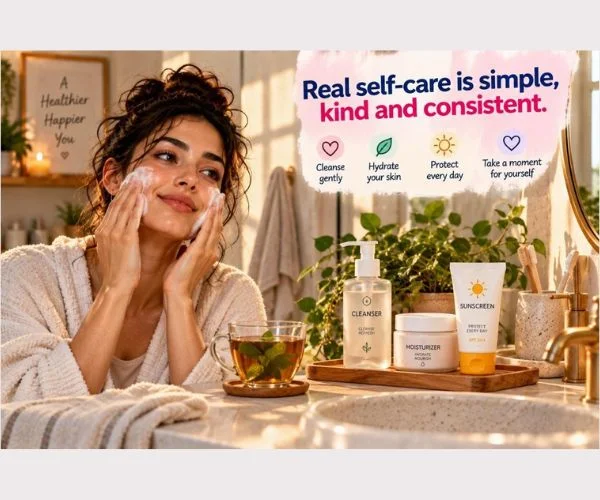
Self-care means regularly taking actions that support your physical, mental, and emotional wellbeing. It includes sleep, nutrition, movement, rest, personal hygiene, and meaningful connections.
Skincare as self-care is one part of this bigger picture.
Healthy self-care means responding to your needs without unnecessary pressure. It doesn’t require luxury products, elaborate routines, or perfect results.
Missing a skincare session doesn’t mean you’ve failed. Sometimes, getting enough sleep or asking for help is the most valuable thing you can do.
Read also about :-
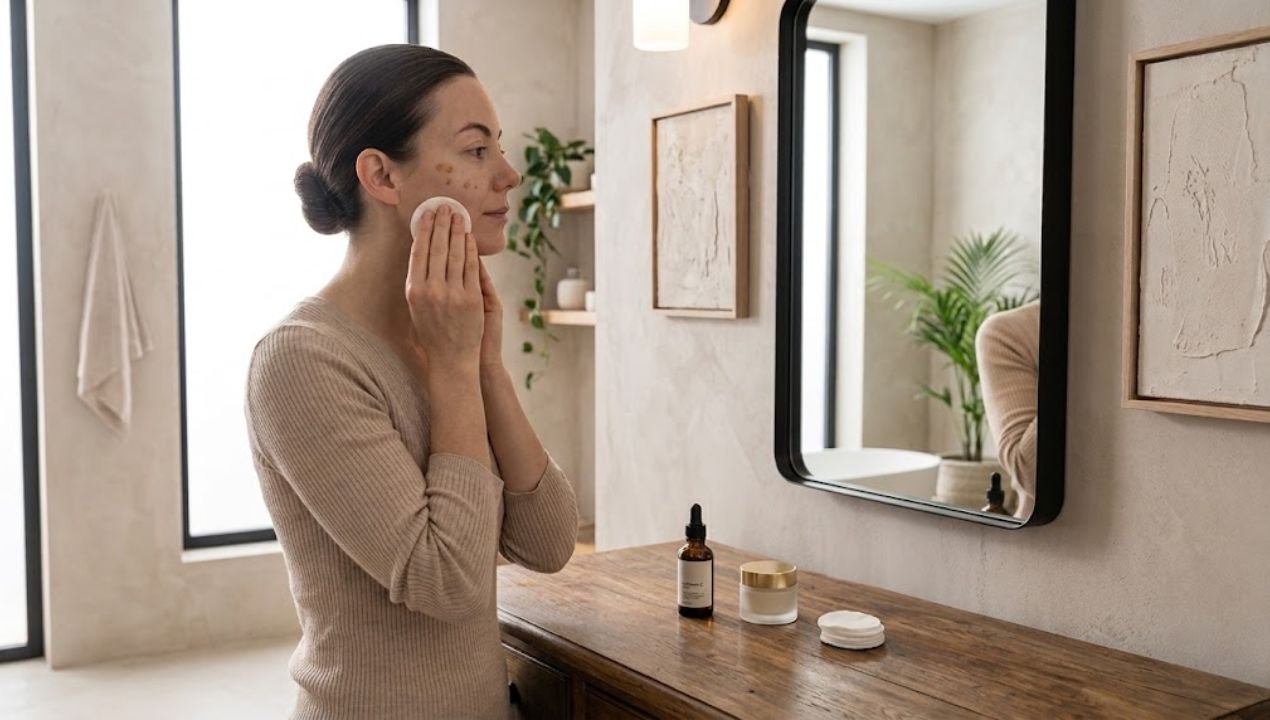
Dark Spots and Pigmentation: What Fades Them 2026
Why Skincare Can Be a Meaningful Self-Care Ritual
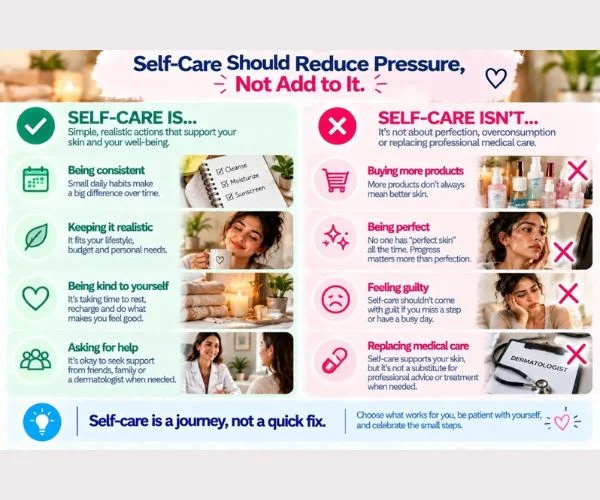
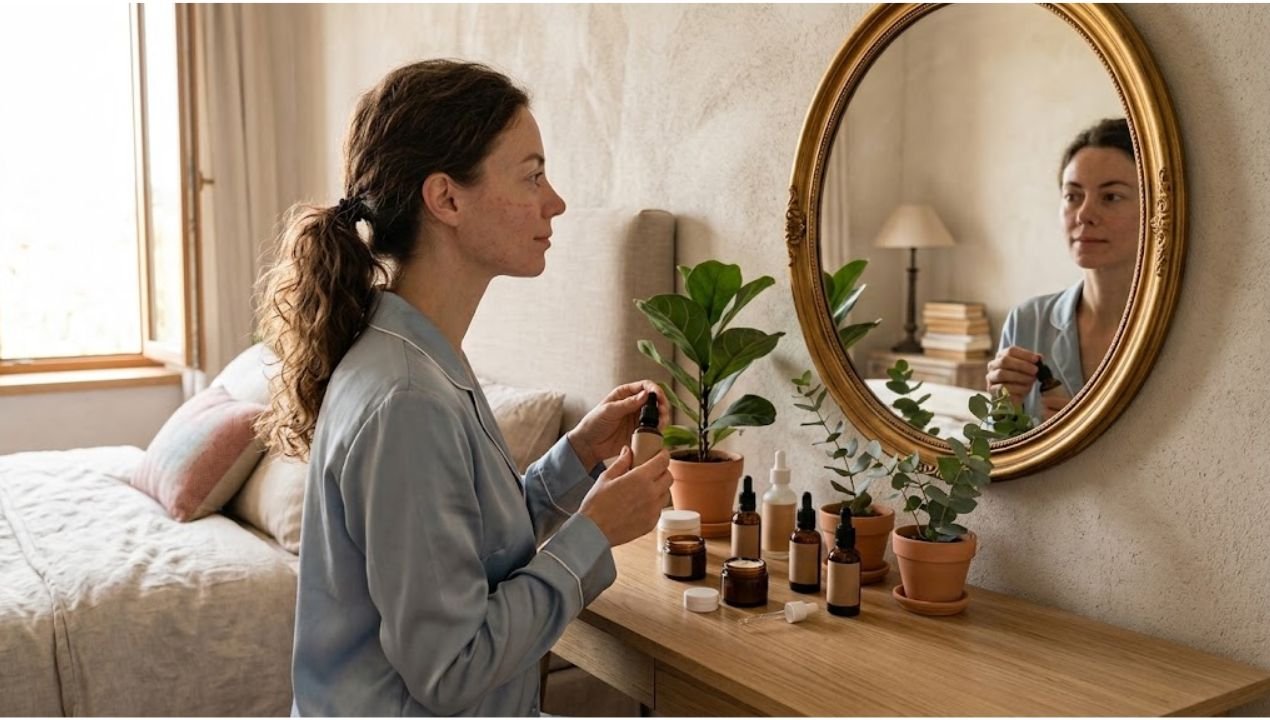
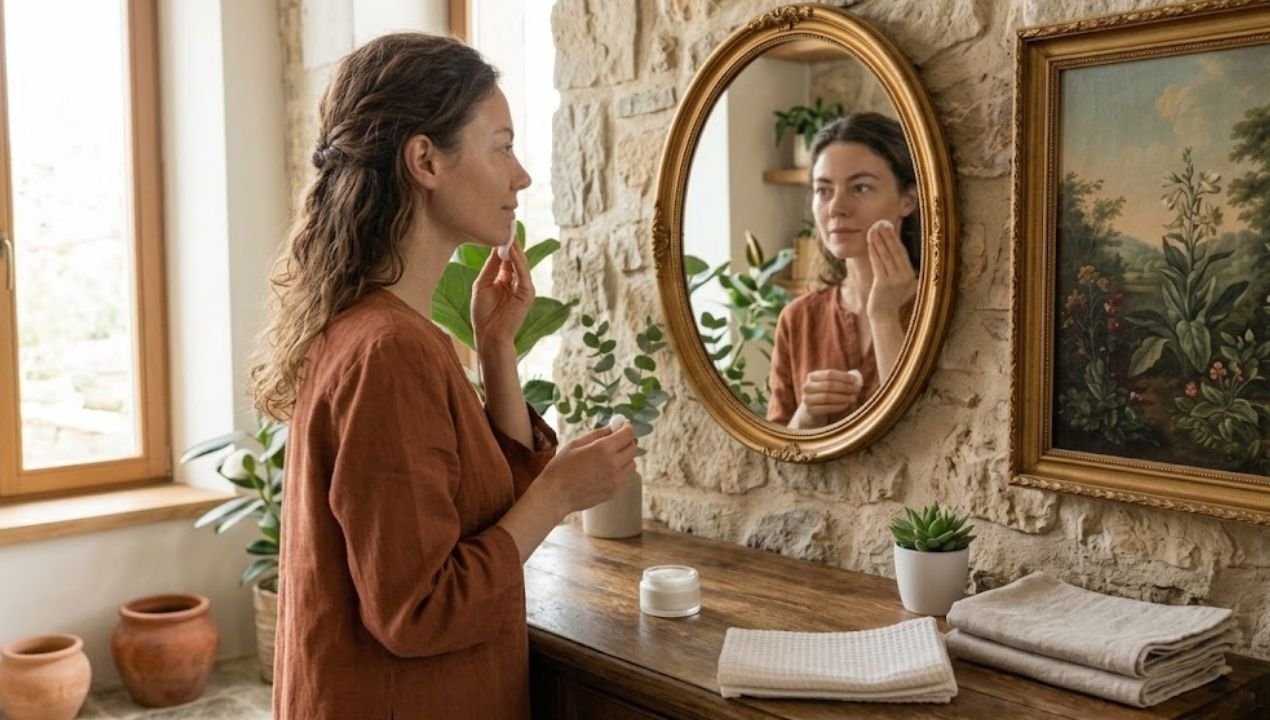
A skincare ritual can provide a few quiet minutes to reconnect with yourself, especially during busy days.
A Moment of Mindfulness
Mindfulness involves paying attention to the present moment without judgment.
While applying moisturizer, notice its texture, breathe slowly, and allow yourself a moment without distractions.
Research supports modest stress-related benefits from mindfulness programs, although evidence specifically connecting skincare rituals to improved mental health remains limited.
Gentle Touch and Relaxation
Applying moisturizer with slow, comfortable movements may feel soothing.
Facial massage can be enjoyable, but claims that it permanently lifts the face or transforms skin structure aren’t well supported.
Keep pressure gentle, particularly if your skin is irritated or experiencing breakouts.
Skin Health and Emotional Wellbeing
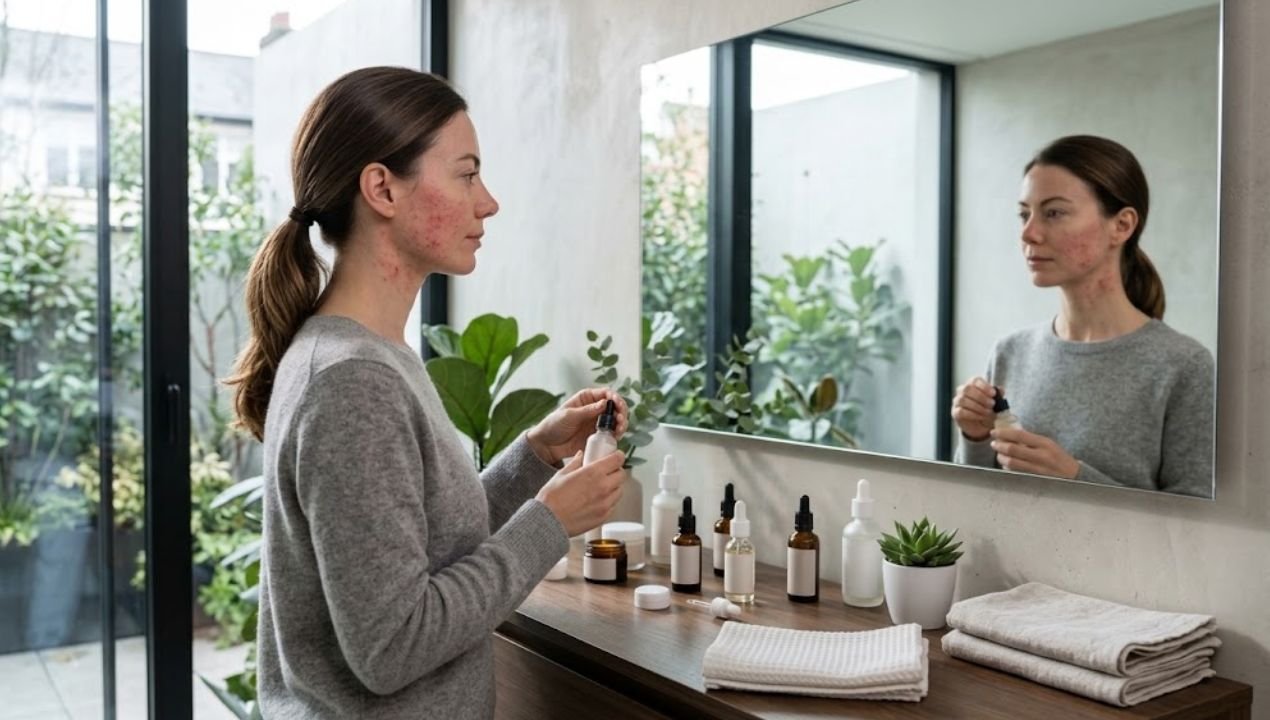
Skin conditions such as acne, eczema, and psoriasis can affect body image, confidence, and quality of life.
This connection is explored in psychodermatology, which examines relationships between skin health and psychological wellbeing.
Caring for your skin may support comfort and confidence, but persistent skin concerns can also require professional treatment.
How to Build a Self-Care Routine You’ll Actually Keep
The best simple self-care routine for beginners is one that fits naturally into everyday life.
1. Start With Three Essentials
| Morning | Evening |
| Gentle cleanser or water | Gentle cleanser |
| Moisturizer | Moisturizer |
| Broad-spectrum SPF 30+ sunscreen | Targeted treatment, only if needed |
Choose products appropriate for your skin type and sensitivity.
You don’t need multiple serums, masks, or exfoliating products to create a useful routine.
2. Connect Skincare to Existing Habits
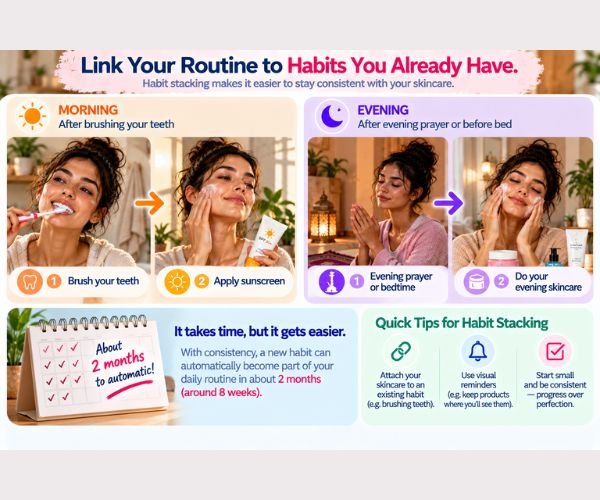
Habit formation becomes easier when you repeat an action in a familiar context.
For example, apply sunscreen after brushing your teeth or complete your evening routine before bedtime.
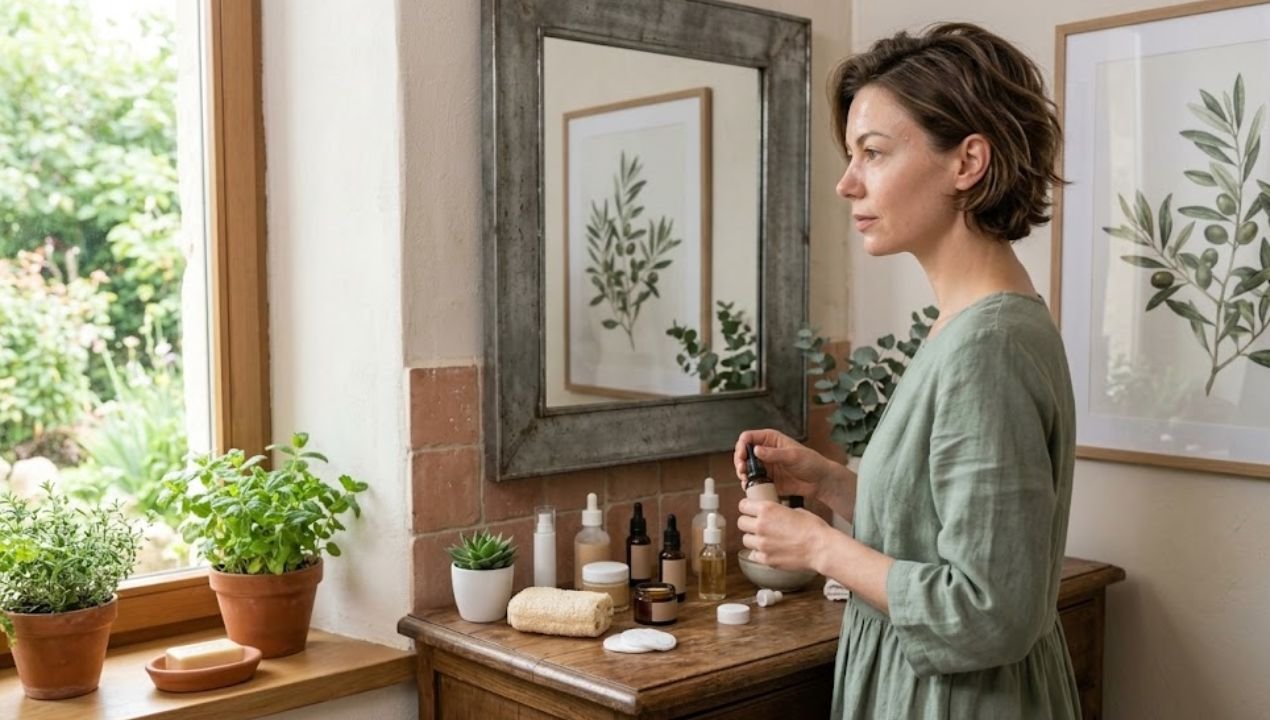
Keeping products visible and accessible can also make consistency easier.
Don’t expect automatic habits overnight. Progress varies, and missing an occasional day doesn’t erase your efforts.
3. Make Your Routine Enjoyable
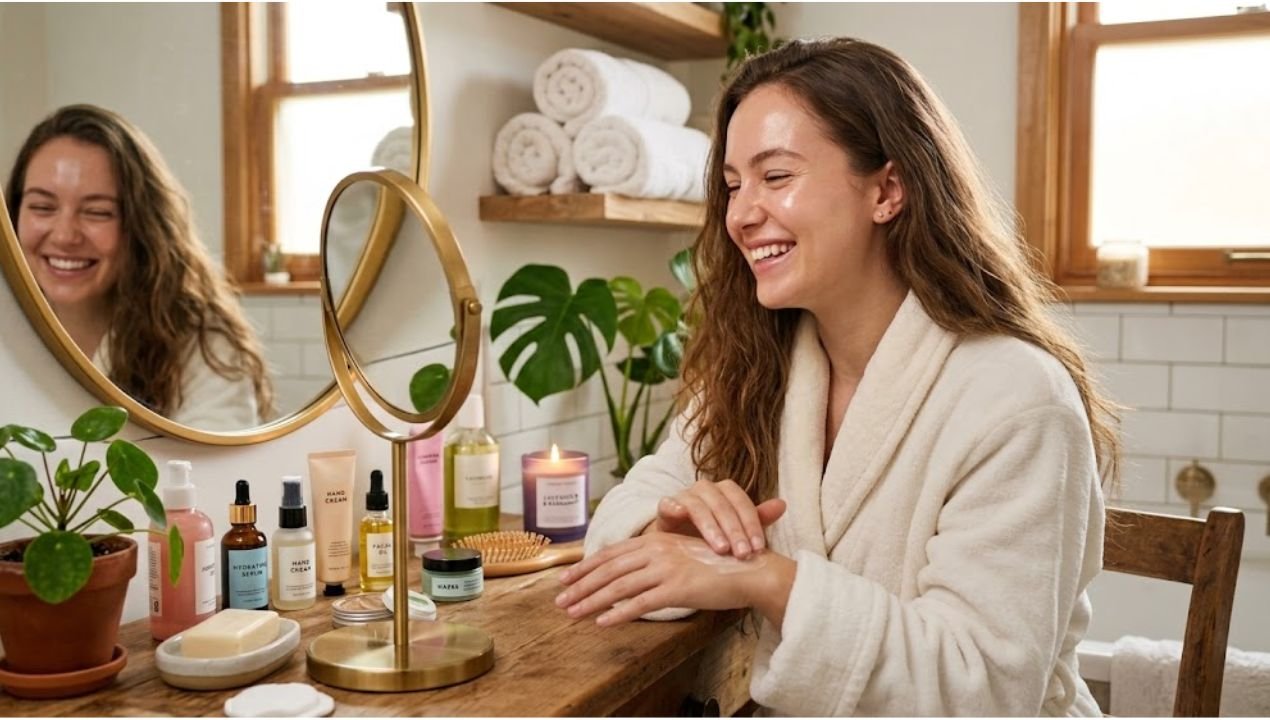
Your skincare ritual might include relaxing music, a quiet bathroom, or a few minutes away from your phone.
Choose comfortable textures and avoid irritating fragrances if your skin is sensitive.
4. Create a Minimum Routine
On exhausting days, simplify.
Cleanse and moisturize at night. In the morning, prioritize sunscreen when you’ll be exposed to daylight.
A manageable routine is more sustainable than a complicated one you regularly abandon.
Need help choosing products without adding unnecessary steps? The GG Skin Quiz helps you identify your skin type and priority concerns so you can explore a routine suited to your needs.

Self-Care and Social Media: Protecting Your Skin Confidence
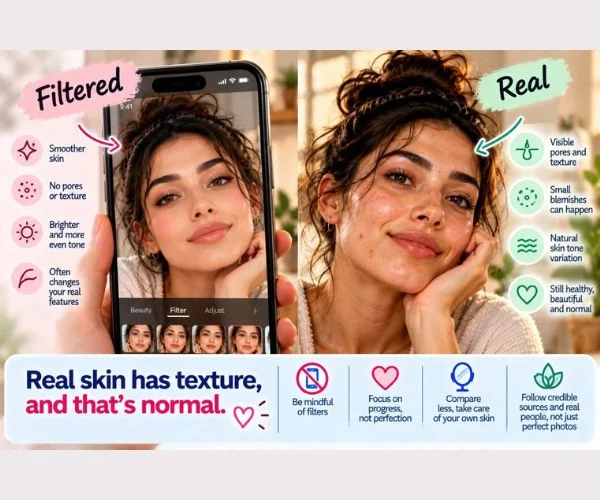
Social media can make normal skin appear imperfect.
Filters, professional lighting, editing, and carefully selected photographs can create unrealistic expectations.
Real skin has pores, texture, fine lines, and occasional blemishes.
Research has linked appearance-focused social comparison with poorer body image, particularly among younger women.
To protect your confidence, follow creators who show realistic skin, reduce exposure to accounts that encourage comparison, and question product recommendations driven by sponsorships.
Rather than chasing flawless skin, aim for healthy, comfortable skin.
If you find yourself constantly checking imperfections, buying products impulsively, or feeling distressed about your appearance, consider simplifying your routine and seeking support when needed.
Self-Care From Head to Toe
A complete body care routine doesn’t stop at your face.
Lips and Hands
Use a moisturizing lip balm and consider SPF protection outdoors. Avoid repeatedly licking dry lips, which can worsen irritation.
For hands, apply moisturizer after washing, use protective gloves with cleaning products, and apply sunscreen to exposed skin.
Heels and Feet
Dry, cracked heels may benefit from a thick moisturizer or a suitable urea-based cream.
Gently care for thickened skin without aggressive scraping. If you have diabetes, avoid self-treating cracks or calluses without professional guidance.
Seek medical attention for painful, bleeding, or deep cracks.
Body, Neck, and Chest
Keep showers short and lukewarm, then moisturize while your skin is still slightly damp.
Extend sunscreen to exposed areas, including your neck, chest, arms, and legs.
If you’re prone to body breakouts, changing out of sweaty clothing and choosing breathable fabrics may help.
Read also: [Dry Skin — URL NEEDED]
Making Self-Care Work in Everyday Egyptian Life
Your routine should reflect your environment, schedule, and budget.
In Egypt’s hot weather, lightweight moisturizers and comfortable sunscreen textures may make daily application easier.
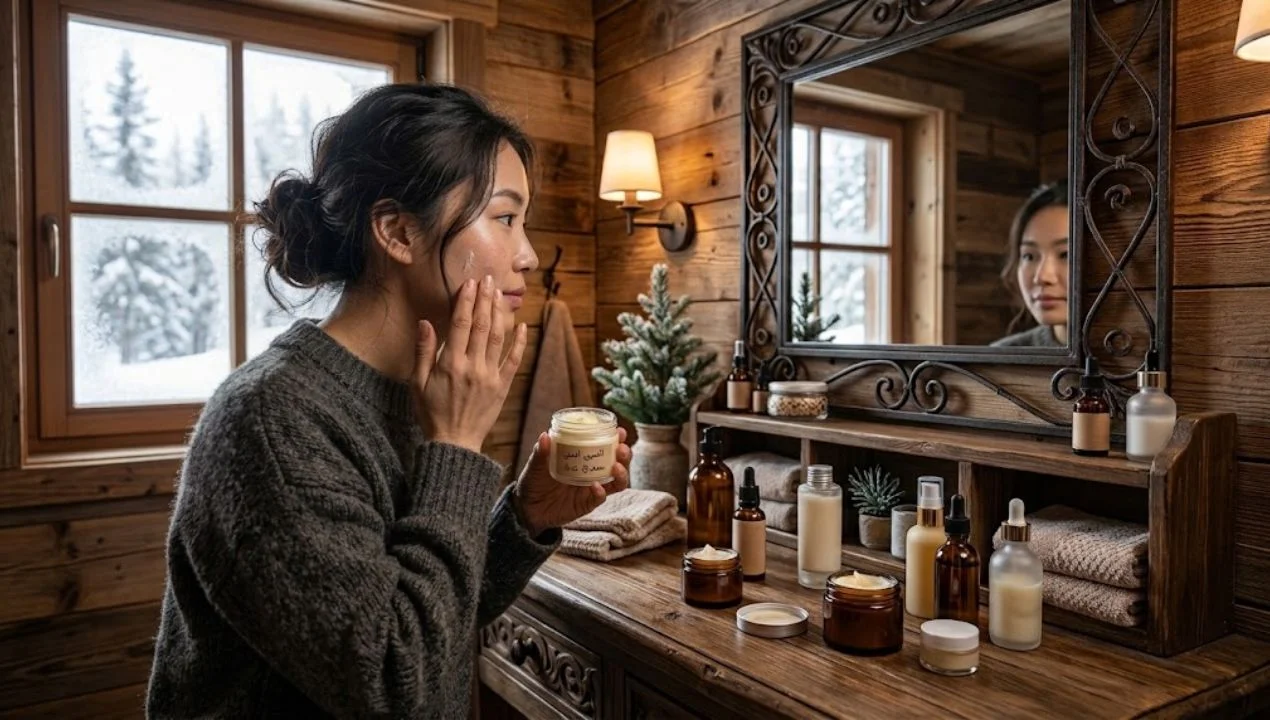
During winter, hands and heels may need richer moisturizing products.
During Ramadan, you can organize your evening skincare around iftar, bedtime, or suhoor—whichever fits your schedule.
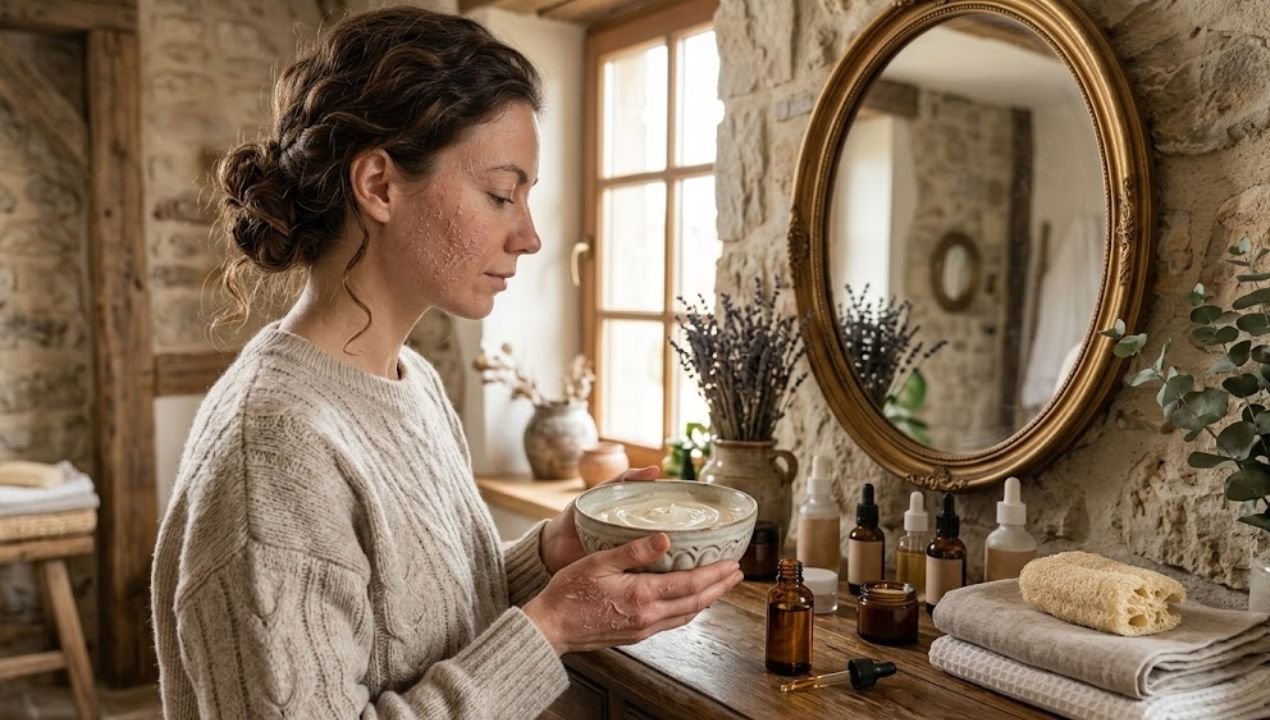
Traditional self-care ideas, including hammam-inspired relaxation, can be enjoyable, but avoid harsh scrubs, lemon juice, and unregulated mixed creams on facial skin.
Most importantly, expensive products aren’t a requirement. A basic routine using suitable, affordable products can support healthy skin.
A Simple Weekly Self-Care Plan
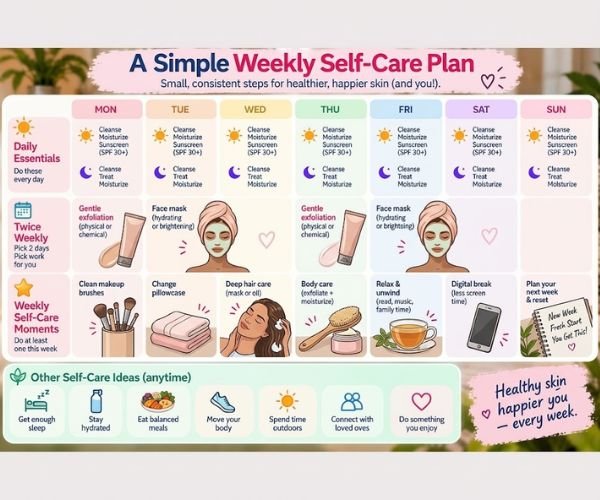
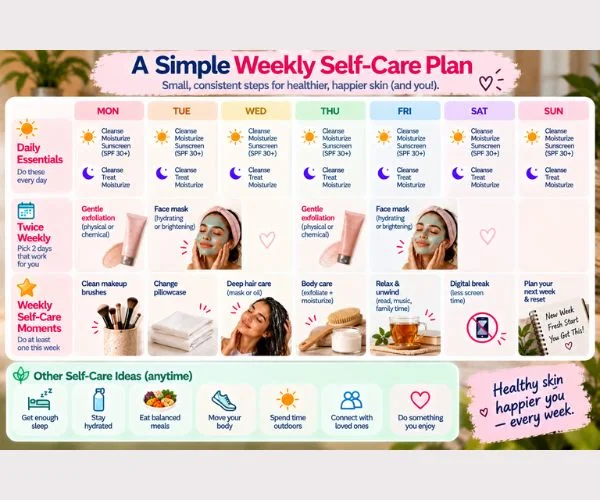
A weekly self-care routine should support consistency without becoming another obligation.
| Frequency | Self-care activities |
| Every morning | Cleanse if needed, moisturize, apply sunscreen |
| Every evening | Cleanse, moisturize, unwind |
| Twice weekly | Optional gentle exfoliation if suitable; refresh pillowcases |
| Once weekly | Hand and heel care, clean makeup brushes, enjoy a relaxing activity |
| Every few months | Review products and adjust your routine if your needs change |
Exfoliation and masks are optional, not essential. Avoid exfoliating irritated skin.
GiGi’s Tip: Self-care isn’t a shopping list. It’s a promise to yourself. Keep it small enough for your hardest day: cleanse, moisturize, protect, breathe.
At GG Glow & Go, the focus is on understanding your skin before choosing products. GG offers nine routine pathways across three budget levels, helping you explore practical options without unnecessary complexity.
Ready for a routine that fits your skin and your lifestyle? Discover your routine with the GG Skin Quiz and explore recommendations based on your skin type and main concern.
When Self-Care Isn’t Enough
Self-care supports wellbeing, but it cannot replace medical or psychological treatment.
Consider professional support when acne or another skin condition is painful, persistent, worsening, or causing scars.
Similarly, repetitive skin picking that feels difficult to control, severe appearance-related distress, or anxiety that interferes with everyday activities deserves attention.
A dermatologist or qualified mental health professional can help you understand your options.
Seeking support is itself an important form of self-care.
F&Q
1. What is self-care?
Self-care involves regular actions that support physical, mental, and emotional wellbeing. These include adequate sleep, nutritious food, movement, rest, personal hygiene, and asking for support when needed.
2. Is skincare a form of self-care?
Yes. Skincare can be self-care when it supports skin health and provides a manageable, enjoyable daily ritual. It shouldn’t create financial pressure or unrealistic expectations.
3. How do I stick to a skincare routine?
Start with a few essential steps and connect them to existing habits, such as brushing your teeth. Keep products accessible, choose comfortable formulas, and resume your routine normally after missed days.
4. How long does it take to form a skincare habit?
Habit-formation research suggests an average of around two months for certain daily behaviors to become automatic, although individual timelines vary considerably. Consistent repetition matters more than meeting a fixed deadline.
5. How do I stop comparing my skin to others online?
Remember that online photographs may use filters, editing, or professional lighting. Follow accounts showing natural skin, limit appearance-focused scrolling, and focus on skin comfort rather than perfection.
6. What should a weekly self-care routine include?
A practical plan includes daily cleansing as needed, moisturizing, sun protection, and time for rest. Optional weekly activities include hand and heel care, cleaning makeup brushes, and relaxing activities you genuinely enjoy.
Conclusion
Meaningful self-care doesn’t depend on expensive products, perfect skin, or complicated beauty rituals.
It grows through realistic habits, gentle skincare, self-compassion, and attention to your overall wellbeing.
Whether you’re beginning a skincare routine or simplifying an existing one, focus on what your skin actually needs and what you can comfortably maintain.
With GG Glow & Go, your skincare journey can begin with understanding your skin—not chasing perfection.