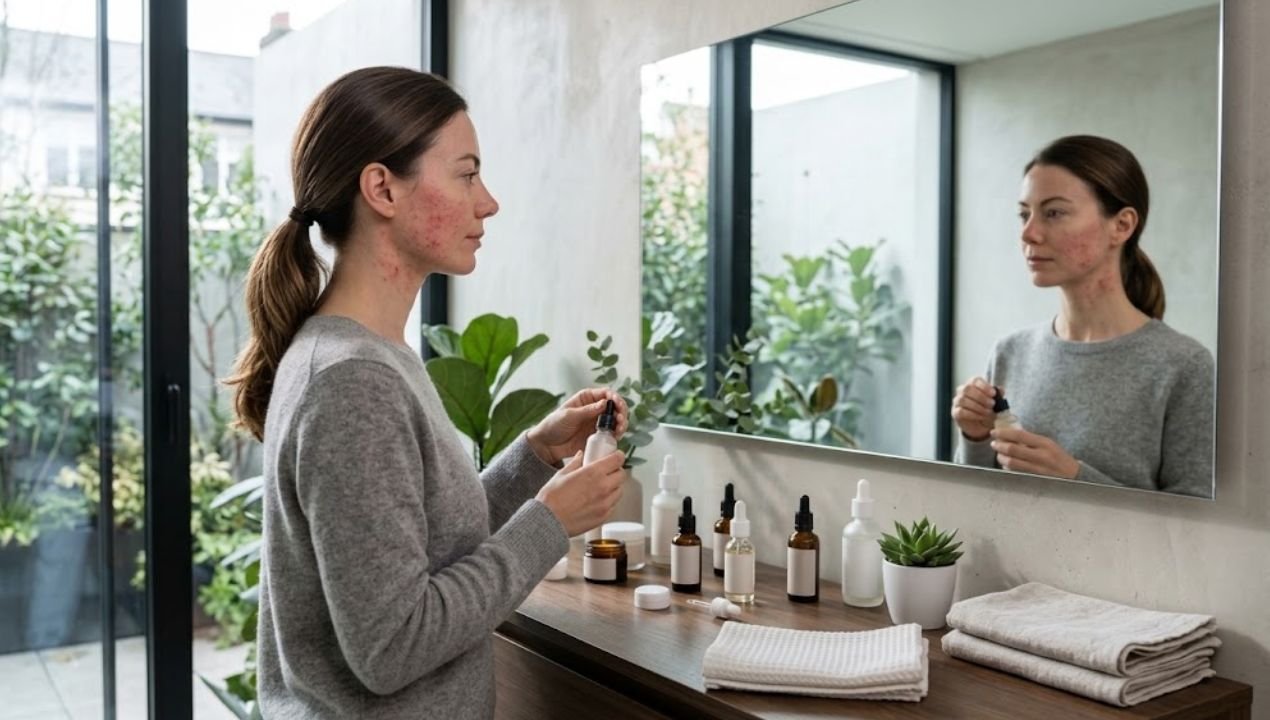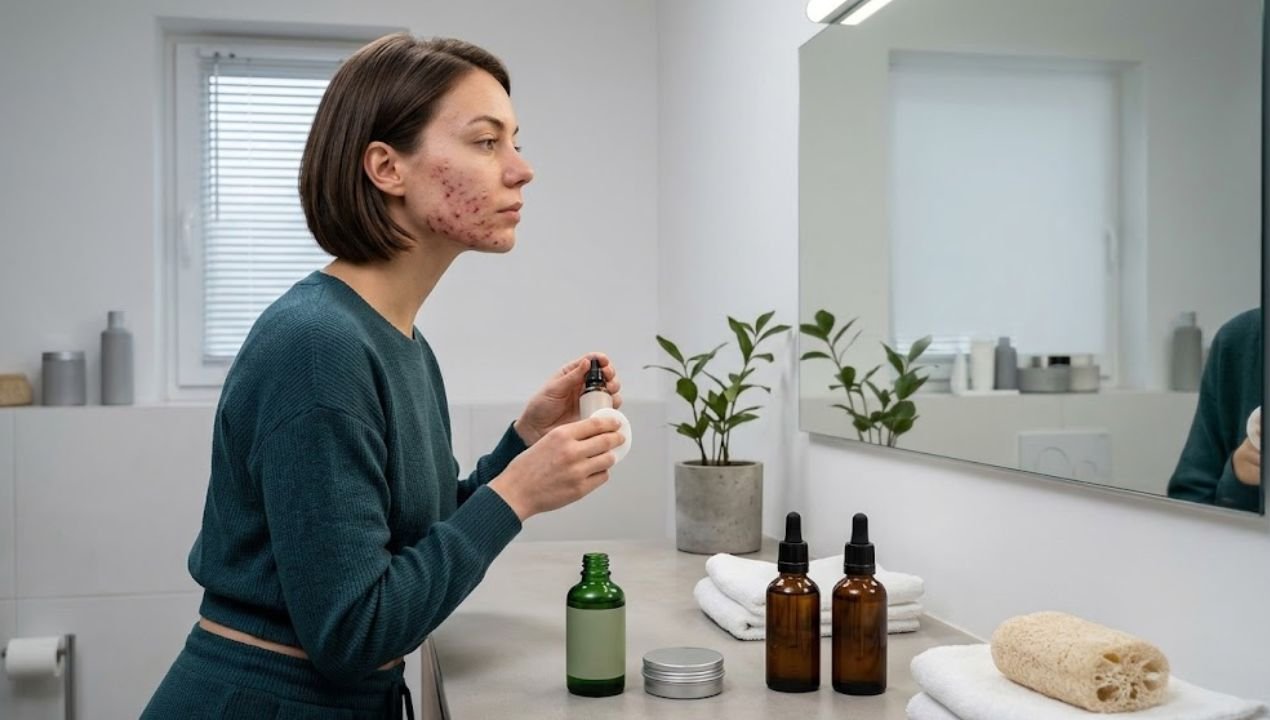
Learn how summer heat, humidity, and UV affect your Daily Skincare Routine in Egypt, with practical tips from Glow & Go for every skin type.
Summer in Egypt can make your skin behave differently. High temperatures, humidity, sweating, air conditioning, and strong UV exposure can affect oil production, hydration, comfort, and the way skincare products feel on the skin.
That does not mean you need to replace your entire skincare collection every summer. In many cases, the better approach is to adjust product textures, amounts, and certain steps in your Daily Skincare Routine according to how your skin is behaving.
The key is to understand what changes with the season and what your skin still needs regardless of the weather.
Why Does Summer Affect Your Skin?

Hot weather can change the way sebum, sweat, and skincare products sit on the surface of your skin. Humidity can also affect how quickly moisture evaporates, while frequent sweating and friction may contribute to clogged pores or irritation.
At the same time, stronger sun exposure makes daily UV protection especially important. UV radiation contributes to premature skin aging, pigmentation changes, and sunburn, so sun protection should remain a consistent part of your routine.
Heat Can Increase Shine
When temperatures rise, oily skin may look noticeably shinier during the day. This does not necessarily mean that your skin suddenly became permanently oily.
Instead of aggressively removing every trace of oil, focus on gentle cleansing and lightweight products that feel comfortable in warm conditions.
Humidity Changes How Hydration Feels
High humidity can make heavy layers feel uncomfortable or excessive. Some people may prefer lighter moisturizers during summer, particularly when their skin already feels comfortable and hydrated.
However, humidity does not mean that moisturizer should automatically be removed. Dry and sensitive skin may still need consistent barrier support.
Sweat and Friction Can Cause Problems
Sweat can mix with oil, bacteria, and skincare products on the skin. Combined with friction from clothing, hats, helmets, or frequent touching, this may contribute to irritation or breakouts, particularly for acne-prone skin.
How Should Your Daily Skincare Routine Change in Summer?
A good summer routine does not need to be complicated. The basic structure can remain the same: cleanse, treat when needed, moisturize, and protect the skin from UV exposure.
What changes is how much of each product you use and which textures are most comfortable for your skin.
Morning Routine: Cleanse Gently
Start your morning with a gentle cleanser suited to your skin type. Avoid the temptation to use harsh cleansers simply because your face feels oilier in summer.
Over-cleansing can irritate the skin and may leave it feeling tight or uncomfortable. Dermatologists generally recommend gentle cleansing and washing after heavy sweating rather than repeatedly washing the face throughout the day.
Treat Your Main Skin Concern
If you normally use a serum or treatment product, you do not necessarily need to remove it just because summer has arrived.
Instead, consider whether the product still feels comfortable and whether your skin is tolerating it. If multiple layers feel heavy, reducing unnecessary layers can make your routine easier without eliminating useful steps.
Choose a Comfortable Moisturizer
Your moisturizer should match both your skin type and the current weather.
A lightweight gel or gel-cream may feel more comfortable for oily or combination skin during hot weather. Dry skin may also prefer a lighter texture in summer, but reducing moisturizer too aggressively can leave the skin uncomfortable or compromised.
The goal is to maintain hydration without applying more product than your skin currently needs.
Finish With Daily Sun Protection
Sunscreen is one of the most important parts of a summer skincare routine. Dermatologists recommend a broad-spectrum sunscreen with SPF 30 or higher, and water resistance is useful when sweating or swimming.
Apply sunscreen before going outdoors and reapply when needed. When you are outdoors, sunscreen generally needs to be reapplied every two hours and immediately after swimming or significant sweating.
Daily Skincare Routine for Different Skin Types in Summer

There is no single summer routine that works identically for everyone. Your skin type should influence the texture and amount of products you choose.
Oily Skin
Oily skin may feel noticeably shinier in hot weather, so lightweight, non-comedogenic products can be more comfortable.
A practical routine can include gentle cleansing, a lightweight treatment if needed, an oil-free or lightweight moisturizer, and broad-spectrum sunscreen. Avoid repeatedly stripping the skin simply because it looks shiny.
Dry Skin
Dry skin still needs hydration and barrier support during summer. Air conditioning, sun exposure, and frequent washing can contribute to dryness even when outdoor humidity is high.
A gentle cleanser, hydrating treatment, moisturizer, and sunscreen can provide a simple foundation. You may choose a lighter moisturizer than you would use in winter, but your skin’s comfort should guide the adjustment.
Combination Skin
Combination skin often needs different approaches across different areas of the face.
A lighter moisturizer may work well across the T-zone, while drier cheek areas may need more moisturizing support. The objective is not to treat the entire face as oily simply because the forehead and nose become shiny.
Sensitive Skin
Sensitive skin can react to heat, sweat, friction, and changes in products. Summer is therefore not the ideal time to introduce several new products at once.
Keep the routine simple, use gentle products, and pay attention to signs such as burning, stinging, or persistent irritation. If a product repeatedly causes a reaction, reassess whether it belongs in your routine.
Normal Skin
Normal skin may require fewer seasonal changes. Continue with a balanced routine and adjust only when you notice changes in oiliness, dryness, or comfort.
There is no need to replace products simply because the season changed.
Should You Change Your Nighttime Routine in Summer?
Your nighttime routine can usually remain similar to your regular Daily Skincare Routine, but summer may create a few reasons to adjust it.
If you have been sweating heavily during the day, cleansing before bed becomes particularly important. A gentle cleanser can remove sweat, sunscreen, makeup, and accumulated debris without unnecessary scrubbing.
Remove Sunscreen and Daily Buildup
Your evening cleanse should remove the products and buildup accumulated during the day.
If you wear makeup or water-resistant sunscreen, you may need a cleansing approach that effectively removes them without excessive rubbing.
Keep Treatment Steps Consistent
There is no general rule that all active ingredients should be stopped during summer. What matters is how your skin tolerates them and whether the specific product requires additional sun precautions.
If your skin becomes irritated, simplifying the routine may be more useful than continuing every treatment at the same frequency.
Moisturize According to Skin Needs
Nighttime is not automatically a reason to use the heaviest moisturizer available.
Choose a texture that supports your skin without making you uncomfortable. Dry skin may benefit from richer barrier-supporting products, while oily skin may prefer something lighter.
What About Sunscreen and Strong Egyptian Sun?

Sun protection deserves particular attention in a summer routine because UV exposure can contribute to sunburn, premature skin aging, and skin cancer.
The strength of UV exposure varies by location, time, season, and weather, so it is better to pay attention to the UV Index rather than assuming that every summer day has exactly the same exposure level. WHO recommends sun protection when the UV Index reaches 3 or above.
Not sure which skincare products suit your skin during stressful periods? The Glow & Go Skin Quiz helps identify your skin type and priority concern so you can build a practical routine without unnecessary steps.

Use Broad-Spectrum Protection
Choose a broad-spectrum sunscreen that protects against UVA and UVB radiation. An SPF of 30 or higher is recommended by the American Academy of Dermatology.
Reapply When You Sweat
Sweating can reduce the protection provided by sunscreen. If you are outdoors and sweating significantly, reapply as directed rather than relying on your morning application for the entire day.
Add Physical Sun Protection
Sunscreen is only one part of sun protection. Shade, protective clothing, hats, and sunglasses can also reduce UV exposure, particularly during periods of strong sunlight.
Common Summer Skincare Mistakes
Changing your routine does not mean doing more. Some common summer habits can actually make skin less comfortable.
Washing Your Face Too Often
Repeated cleansing may seem like an easy way to control sweat and oil, but excessive washing can irritate the skin. A gentle cleanser and cleansing after heavy sweating are generally more appropriate than constantly washing throughout the day.
Skipping Moisturizer Because of Humidity
Humidity can make moisturizer feel unnecessary, but skin can still become dry or irritated during summer. Air conditioning, sun exposure, swimming, and cleansing can all contribute to dryness.
Using Heavy Products Automatically
A thick cream is not necessarily better for every skin type. If your skin feels congested or uncomfortable, consider whether a lighter texture can provide the support you need.
Scrubbing Away Sweat and Oil
Aggressive scrubbing can irritate the skin and may make existing concerns harder to manage. Gentle cleansing is usually a better approach.
Treating Every Summer Breakout With More Products
A sudden breakout does not always mean you need several new treatments. Sweat, friction, sunscreen, makeup, and changes in routine can all contribute to congestion.
Start by identifying what changed before adding multiple products.
How Can Glow & Go Help With Your Summer Routine?
Your skin does not necessarily need a completely different routine every summer. It may simply need adjustments based on oil production, hydration, sensitivity, and your daily environment.
Glow & Go can help you look at your skin as a combination of characteristics and concerns rather than relying on a single label. This makes it easier to understand which parts of your routine may need adjustment as conditions change.
The most useful routine is the one that fits your skin’s current needs and remains simple enough to follow consistently.
Frequently Asked Questions
Should I change my skincare routine in summer?
Not necessarily. Start by adjusting textures, product amounts, and cleansing habits based on how your skin behaves rather than replacing every product.
What should a Daily Skincare Routine include in summer?
A simple routine can include gentle cleansing, a suitable treatment if needed, moisturizer, and broad-spectrum sunscreen in the morning, followed by cleansing and appropriate treatment and moisturizing at night.
Is moisturizer necessary for oily skin in summer?
Yes. Oily skin can still need hydration. A lightweight, non-comedogenic moisturizer may feel more comfortable than a heavy cream.
How often should I reapply sunscreen in summer?
When outdoors, sunscreen should generally be reapplied every two hours and after swimming or sweating. Water-resistant products also have specific reapplication limits.
Can heat make my skin more oily?
Heat can make sebum more fluid and can make existing oiliness more noticeable. However, temporary summer shine does not necessarily mean your underlying skin type has permanently changed.
Should dry skin use less moisturizer in summer?
Not automatically. Dry skin still needs moisture and barrier support. A lighter texture may simply be more comfortable in hot weather.
Can I keep the same skincare products all year?
Yes, if they continue to suit your skin. Seasonal changes may require adjustments in texture, amount, or frequency rather than completely different products.
Conclusion
Summer in Egypt can change how your skin feels, but your entire skincare routine does not need to change with the temperature. Start with the basics: gentle cleansing, appropriate hydration, targeted treatments when needed, and consistent sun protection.
For oily and combination skin, lighter textures may improve comfort. Dry and sensitive skin may still need strong barrier support despite the humidity. Most importantly, observe your skin and adjust gradually instead of reacting to every change with a new product.
A well-planned summer routine is not about using more skincare. It is about using the right steps, in the right amounts, for what your skin actually needs.