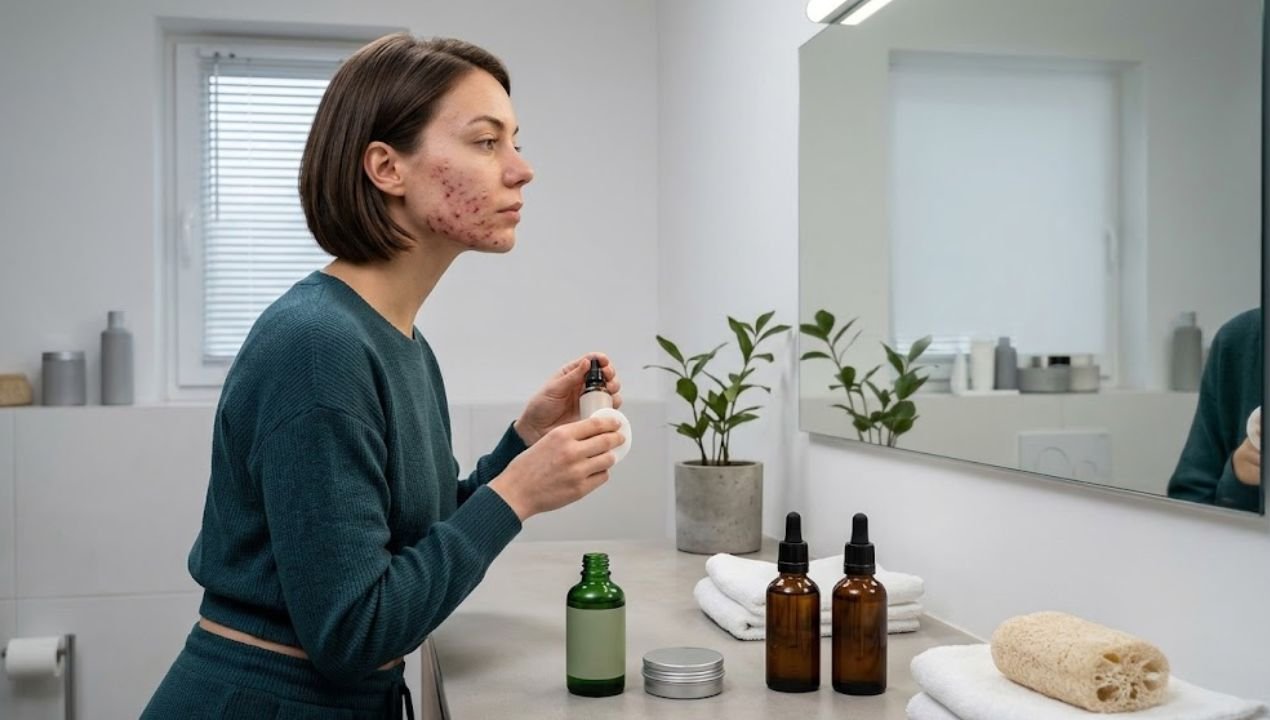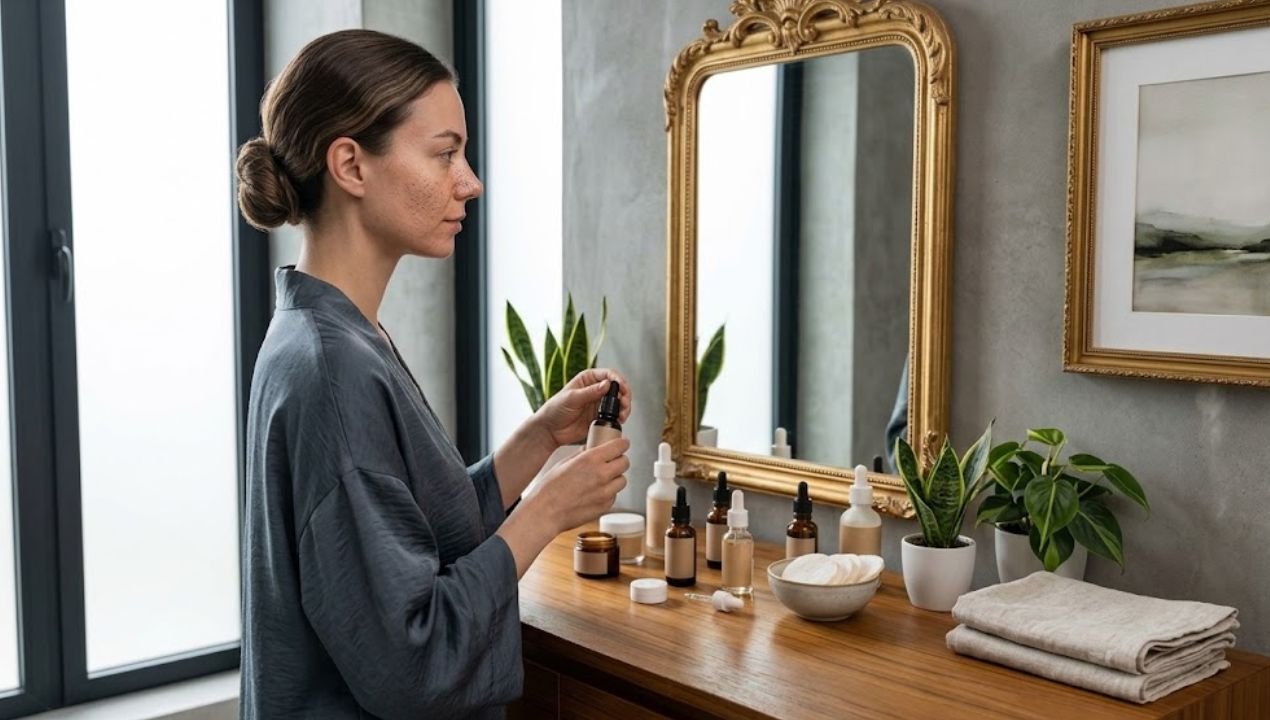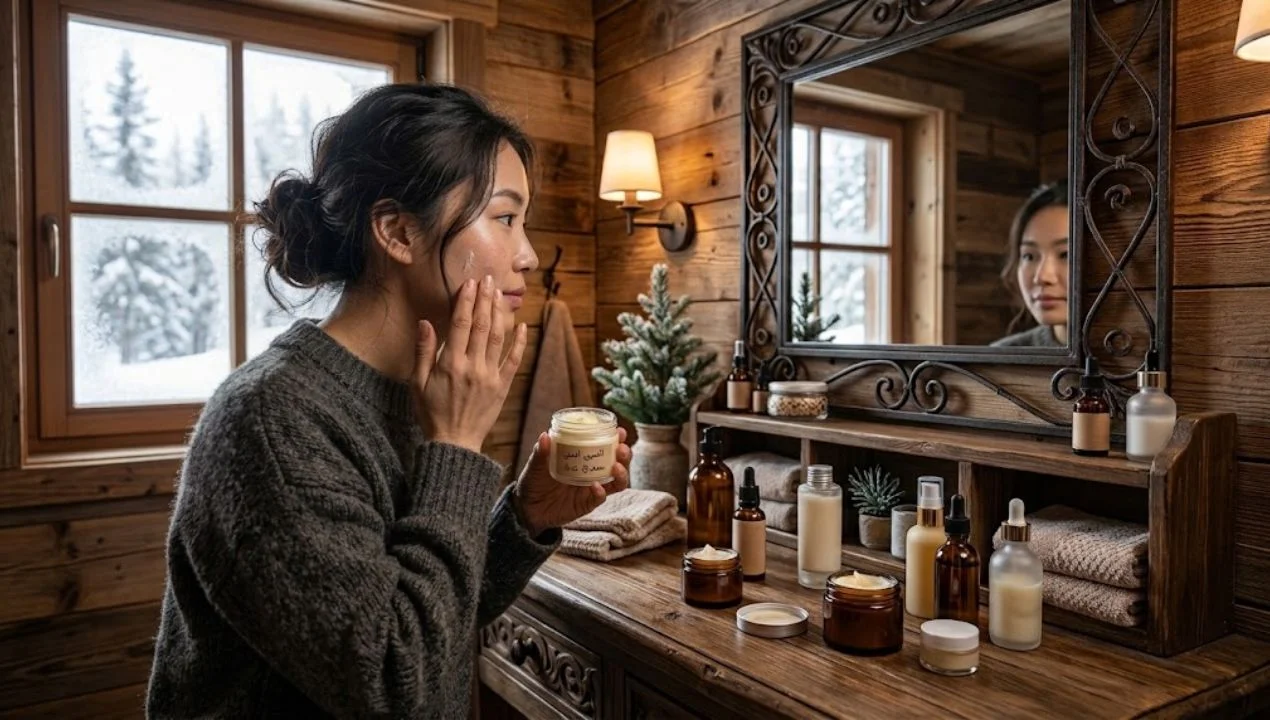
Build a winter skincare routine for dry, sensitive or oily skin in Egypt. Discover moisturizing, sunscreen and cold-weather beauty tips with Glow & Go.
Winter in Egypt may be relatively mild, but cooler air, indoor heaters, and hot showers can leave your skin feeling tight, flaky, and uncomfortable. Even your favorite summer moisturizer might stop feeling effective.
A well-planned winter skincare routine helps protect your skin barrier, maintain hydration, and keep your skin comfortable throughout the colder months.
Why Does Your Skin Get Drier in Winter?
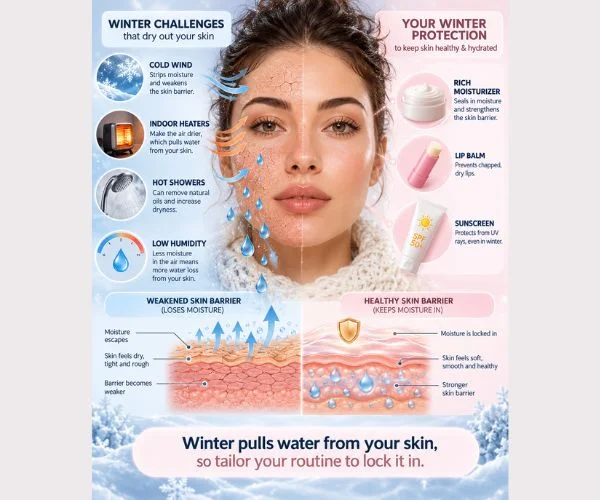
Winter changes the environment around your skin. Lower humidity, cooler temperatures, and indoor heating can increase moisture loss, leaving your skin more vulnerable to dryness and irritation.
Your skin’s outermost layer acts as a protective barrier. When this barrier loses water and protective lipids, it becomes less effective at keeping moisture inside.
This process is associated with transepidermal water loss, often shortened to TEWL.
Common winter skin problems include:
- Tightness after washing your face.
- Flaky or rough patches.
- Chapped lips and cracked hands.
- Itching after hot showers.
- Increased sensitivity and redness.
- More noticeable rough bumps on the arms or legs.
Conditions such as eczema, rosacea, and seborrheic dermatitis may also flare during colder months.
The solution isn’t necessarily buying an entirely new skincare collection. It’s adjusting your existing routine to protect your skin barrier.
Read also about:
How to Change Your Skincare Routine in Winter
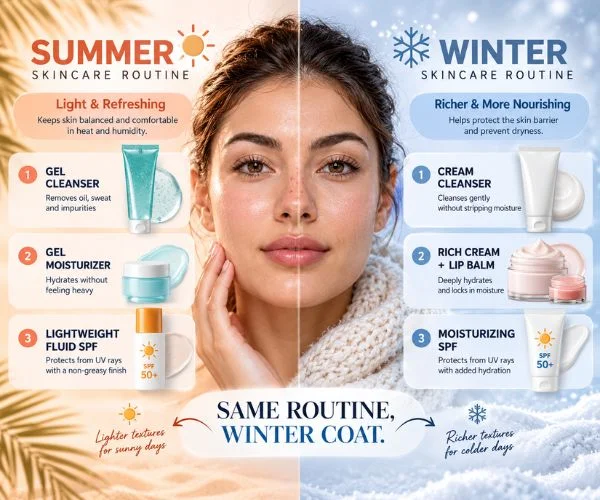
Your summer and winter routines can share the same essential steps. The main difference is often the texture of your products and the amount of barrier support your skin needs.
1. Choose a Gentler Cleanser
Harsh cleansing can remove protective oils and worsen winter dryness.
If your face feels tight after washing, consider switching from a strong foaming cleanser to a gentle cream, milk, or non-foaming formula.
Use lukewarm water rather than hot water.
For very dry skin, a simple water rinse in the morning may be sufficient, followed by moisturizer and sunscreen.
Oily skin can continue using a gentle gel cleanser if it doesn’t cause dryness.
2. Upgrade Your Moisturizer
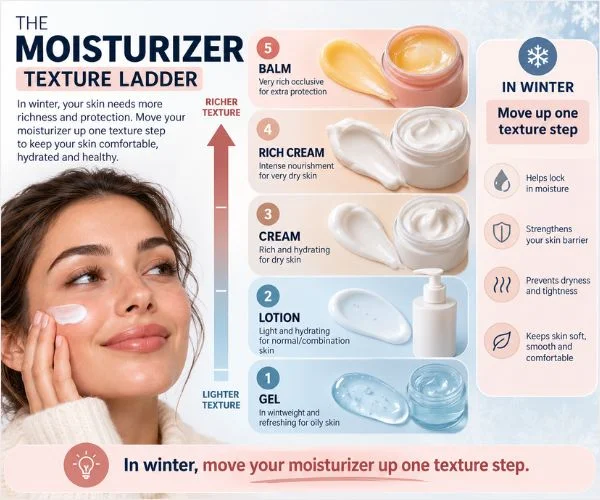
A lightweight gel moisturizer may feel perfect during summer but insufficient during winter.
You may benefit from moving one step toward a richer texture:
Gel → Lotion → Cream → Rich Cream → Balm
Look for moisturizing ingredients such as:
- Ceramides to support the skin barrier.
- Glycerin to attract moisture.
- Hyaluronic acid to support hydration.
- Squalane to soften skin.
- Urea to improve dryness and rough texture.
- Petrolatum to reduce moisture loss.
Apply moisturizer while your skin is still slightly damp.
For particularly dry areas, a thin layer of petrolatum or a suitable barrier balm at night may provide additional protection.
3. Add Hydration Without Overloading Your Skin
Hydrating serums containing glycerin, panthenol, or hyaluronic acid can be helpful when your skin feels dehydrated.
Apply your serum to slightly damp skin, then follow with moisturizer.
Remember that a hydrating serum doesn’t replace a moisturizer, especially when the skin barrier is compromised.
4. Keep Using Sunscreen
One of the most common winter skincare mistakes is skipping sunscreen.
Although UV exposure changes with the seasons, damaging ultraviolet radiation remains present during winter.
Use broad-spectrum SPF 30 or higher when exposed to daylight, especially outdoors.
If you’re managing pigmentation or melasma, consistent sun protection remains particularly important. A tinted sunscreen containing iron oxides may also help protect against visible light that can worsen pigmentation.
5. Adjust Active Ingredients Carefully
Ingredients such as retinoids, exfoliating acids, and acne treatments can increase dryness or irritation.
If your skin becomes uncomfortable, you may need to reduce treatment frequency or temporarily simplify your routine.
For retinoids, some people tolerate the moisturizer sandwich technique:
Moisturizer → Retinoid → Moisturizer
Avoid introducing strong treatments when your skin is already red, cracked, or stinging.
Retinoids should not be used during pregnancy, and treatment decisions during breastfeeding should be discussed with a healthcare professional.
Find the Right Winter Skincare Routine for Your Skin
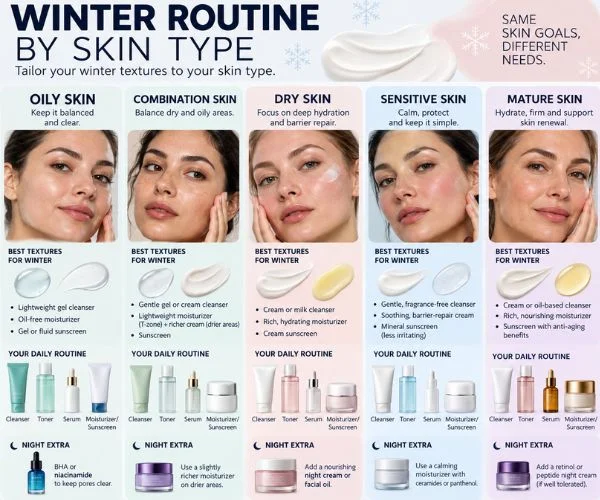
Cold weather affects everyone differently. Dry skin may need richer creams, while oily skin may only need a lightweight lotion with better barrier support.
Instead of choosing products based on the season alone, start by understanding your skin type and primary concerns.
The Glow & Go Skin Quiz helps you explore your skin’s needs and discover a skincare routine that you can adapt with suitable winter textures, hydration, and protection.

Winter Skincare Routine by Skin Type
A personalized approach helps prevent both dryness and unnecessary product buildup.
| Skin Type | Recommended Cleanser | Moisturizer | Winter Priority |
| Oily or acne-prone | Gentle gel cleanser | Lightweight lotion or gel-cream | Hydrate without heavy layering |
| Combination | Gentle gel or cream cleanser | Lotion with richer cream on dry areas | Treat facial zones differently |
| Dry | Cream or milk cleanser | Rich ceramide cream | Reduce moisture loss |
| Sensitive | Fragrance-free gentle cleanser | Barrier-supporting cream | Minimize irritation |
| Mature | Gentle cream cleanser | Nourishing cream | Support hydration and barrier comfort |
Oily and Acne-Prone Skin
Oily skin can still become dehydrated during winter.
Avoid harsh cleansers that leave your face feeling stripped.
If acne treatments cause dryness, adding a suitable moisturizer may help you continue treatment more comfortably. Discuss persistent irritation with your dermatologist rather than stopping prescribed medication without advice.
Dry and Sensitive Skin
Prioritize gentle cleansing, fragrance-free products, and richer moisturizers.
Avoid frequent exfoliation and extremely hot water.
If your skin stings when applying basic products, focus on barrier recovery before introducing additional treatments.
Combination Skin
Your cheeks may become dry while your T-zone remains oily.
Use lightweight hydration across the face and apply a richer moisturizer only where needed.
Mature Skin
Skin may become more prone to dryness with age.
Support hydration with moisturizers containing ceramides, glycerin, and other barrier-supporting ingredients.
If you already use a retinoid, adjust its frequency according to your skin’s tolerance.
Winter Skincare for Common Skin Concerns
Dark Spots and Melasma
Winter may be a convenient time to address pigmentation because some people spend less time outdoors.
However, UV exposure remains relevant throughout the year.
Continue sunscreen and consider ingredients such as niacinamide or azelaic acid when appropriate.
Persistent melasma often benefits from dermatologist-guided treatment.
Acne and Breakouts
Don’t assume that acne-prone skin needs aggressive cleansing during winter.
Use a gentle cleanser, non-comedogenic moisturizer, and suitable acne treatment.
If your skin becomes irritated, review your routine rather than adding more exfoliants.
Redness and Rosacea
Moving between cold outdoor air and warm indoor environments can trigger flushing in some people.
Avoid sitting directly beside heaters, and choose gentle, fragrance-free products.
Very hot drinks may also trigger symptoms for certain individuals.
Damaged Skin Barrier
Signs of barrier irritation include persistent tightness, stinging, redness, and flaking.
Simplify your routine to gentle cleansing, moisturizing, and sun protection.
Pause unnecessary exfoliation until your skin feels comfortable.
Winter Care for Chapped Lips, Cracked Hands and Dry Heels
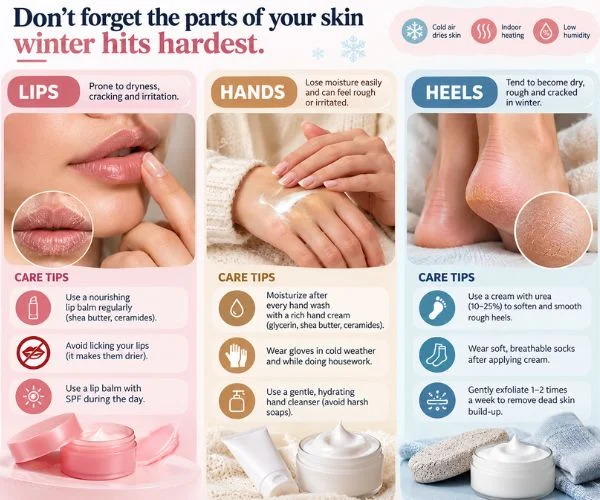
Your face isn’t the only area affected by winter.
Chapped Lips
Apply a thick, fragrance-free lip balm or petrolatum regularly.
Use SPF lip balm during daytime outdoor exposure.
Avoid licking or peeling your lips, as this can worsen irritation.
Cracked Hands
Frequent handwashing, cleaning products, and cold weather can leave hands dry and uncomfortable.
Apply hand cream after washing, including after wudu when practical.
Wear protective gloves when cleaning, and use a richer hand cream before sleeping.
Dry Heels
Apply a suitable urea-based foot cream to rough heels, followed by cotton socks if comfortable.
Avoid applying strong exfoliating products to open cracks or irritated skin.
Deep, painful, or bleeding cracks may require medical assessment.
Glow & Go helps you explore skincare routines based on your skin type and main concerns, making it easier to adapt your everyday care as the seasons change.
Winter Body and Hair Care
Body Care
Long, hot showers can worsen dryness by disrupting protective skin lipids.
Choose shorter showers with lukewarm water, then apply body moisturizer while your skin is slightly damp.
For rough areas or keratosis pilaris, ingredients such as urea or lactic acid may help, provided the skin isn’t inflamed or cracked.
Hair and Scalp Care
Winter can bring scalp discomfort, dandruff, and dry hair ends.
Use a gentle shampoo and avoid excessively hot water.
If you experience dandruff, an appropriate anti-dandruff shampoo containing ingredients such as ketoconazole or selenium sulfide may help. Follow the product’s instructions.
Apply conditioner mainly to the hair lengths and ends.
For persistent scalp redness, itching, or flaking, consult a dermatologist.
Is Winter a Good Time for Retinol and Professional Treatments?
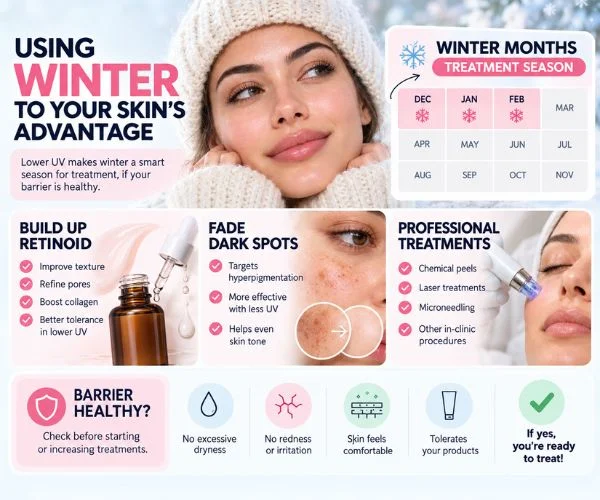
Winter can be a practical season for certain skincare treatments, particularly when outdoor UV exposure is lower.
However, cooler weather doesn’t automatically make strong ingredients safer.
If your skin barrier is healthy, you may discuss gradually introducing a retinoid or pigmentation treatment with a qualified professional.
Start slowly, moisturize consistently, and maintain sun protection.
Chemical peels, lasers, and microneedling should be performed or supervised by appropriately qualified professionals, especially for skin prone to post-inflammatory pigmentation.
Never begin aggressive treatments while your skin is irritated simply because it’s winter.
Winter Beauty Care Tips for Egypt
Egypt’s winter conditions vary by location.
In Cairo and Upper Egypt, dry air and indoor heating may make facial and body dryness more noticeable.
In Alexandria and coastal areas, cold wind can irritate exposed skin even when humidity is relatively high.
Small lifestyle changes can make a difference:
- Avoid sitting directly in front of heaters.
- Keep showers short and comfortably warm.
- Choose soft scarf or hijab fabrics if wool irritates your skin.
- Moisturize after frequent washing.
- Use a humidifier if indoor air is excessively dry, keeping the device clean.
- Continue sunscreen during sunny winter days.
These adjustments support your skincare products without requiring a complicated routine.
Common Winter Skincare Myths
Myth: You Don’t Need Sunscreen in Winter
UV radiation remains present during colder months. Sun protection is still important, particularly during outdoor exposure.
Myth: Oily Skin Doesn’t Need Moisturizer
Oily skin can become dehydrated. A suitable lightweight moisturizer helps maintain comfort without unnecessary heaviness.
Myth: Hot Showers Help Dry Skin
Very hot water can worsen dryness and irritation. Lukewarm water is generally gentler.
Myth: Drinking More Water Fixes Winter Dryness
Adequate hydration supports general health, but dry skin often needs topical moisturizing and barrier protection.
Myth: All Active Ingredients Must Be Stopped in Winter
Some treatments can continue when the skin barrier is healthy. The appropriate frequency depends on tolerance and medical guidance.
How Long Does It Take to Improve Winter Dry Skin?
| Timeline | Possible Improvement |
| Immediately | Reduced tightness after moisturizing |
| 1–2 weeks | Less flaking and discomfort |
| 2–4 weeks | Improved barrier comfort with consistent care |
| Several months | Gradual results from suitable targeted treatments |
Individual results vary depending on skin type, weather conditions, and the cause of dryness.
If symptoms persist despite consistent care, further assessment may be necessary.
Keep Your Skin Comfortable Beyond Winter
Your skincare needs can change with the weather, but your skin type and underlying concerns remain important all year.
Rather than replacing every product when temperatures drop, identify which parts of your routine need more hydration, gentler cleansing, or additional barrier support.
Take a more personalized approach to winter beauty care and discover a routine that works for your skin now and throughout the year.
GiGi’s Winter Skincare Tip
Think of winter skincare as giving your skin a comfortable coat.
You may need a richer moisturizer, gentler cleansing, and extra protection for your lips and hands, but you don’t need to change everything.
Keep sunscreen in your routine, introduce active ingredients cautiously, and prioritize barrier comfort.
When Should You See a Dermatologist?
Seek professional advice if you experience persistent redness, painful cracks, bleeding, severe itching, or patches that ooze or develop yellow crusts.
Medical assessment is also appropriate for recurring eczema, rosacea symptoms, or dandruff that doesn’t improve with suitable treatment.
If you’re considering prescription retinoids, chemical peels, or laser procedures, consult a qualified dermatologist before starting.
F&Q
1. How should I change my skincare routine in winter?
Use a gentle cleanser, consider a richer moisturizer, and avoid hot water. Continue sunscreen and add barrier protection where needed.
2. Why does my skin get drier in winter?
Lower humidity, cold air, indoor heating, and hot showers can increase moisture loss and weaken the skin barrier.
3. Do I need sunscreen in winter in Egypt?
Yes. UV radiation remains present during winter, so use broad-spectrum sunscreen when exposed to daylight.
4. How can I heal chapped lips?
Apply a fragrance-free balm or petrolatum regularly. Avoid licking your lips and use SPF lip balm outdoors.
5. Is winter a good time to start retinol?
It can be, provided your skin barrier is healthy and the ingredient is appropriate for you. Start gradually and maintain sun protection.
6. Why is my dandruff worse in winter?
Cold weather and seasonal changes can contribute to dandruff or seborrheic dermatitis flares. Suitable anti-dandruff shampoos may help.
Conclusion
A successful winter skincare routine focuses on protecting your skin barrier, maintaining hydration, and adapting product textures to colder conditions.
Gentle cleansing, appropriate moisturizing, sunscreen, and consistent care can help reduce common winter concerns such as dryness, chapped lips, and irritation.
At Glow & Go, we believe effective skincare should be personalized rather than seasonal guesswork. Choose products that suit your skin, make thoughtful adjustments as temperatures change, and consult a dermatologist whenever symptoms persist or require medical treatment.
Healthy winter skin begins with understanding what your skin needs.